Keep a care record for each bedding layer
Separate the instructions for sheets, covers, pillows and the mattress instead of treating a coordinated bed as one laundry load.
Updated:
Inventory the pieces separately
Start with a list of the items on the bed: mattress, protector, sheet, duvet, cover, pillows and cases, plus any additional layer. John Lewis treats duvets and pillows as distinct products with their own characteristics. A coordinated appearance does not mean that all those pieces share the same construction or care requirements.
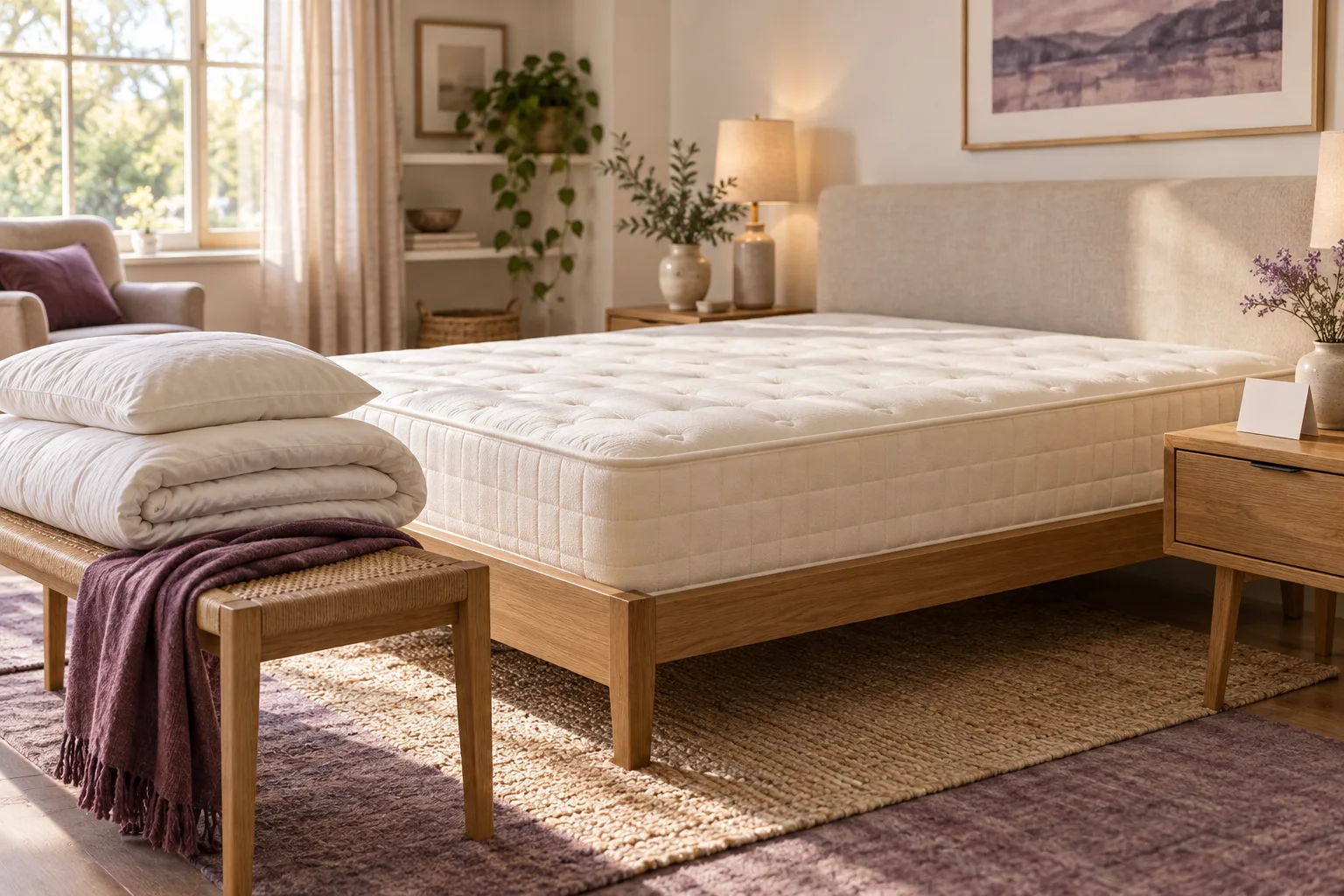
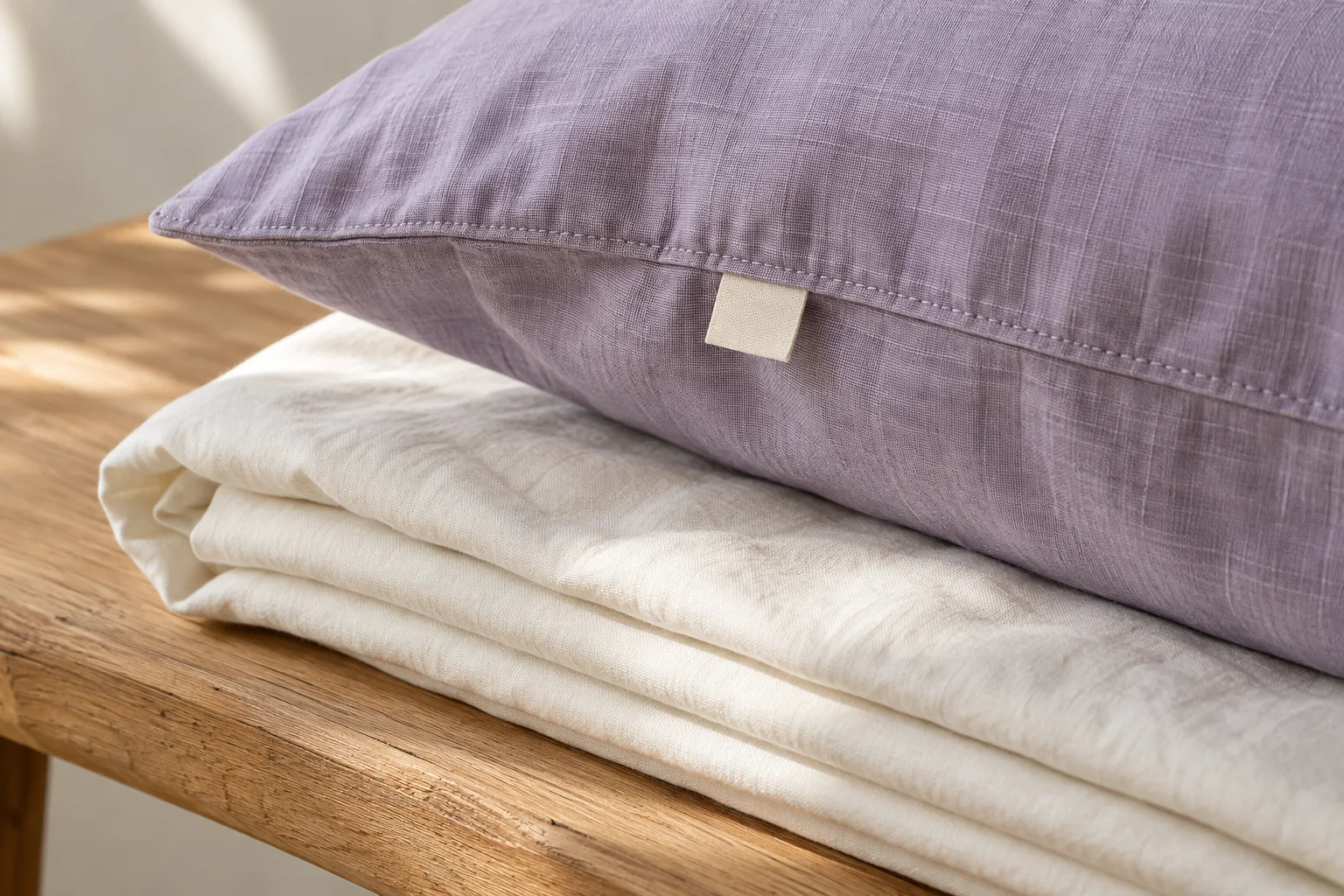
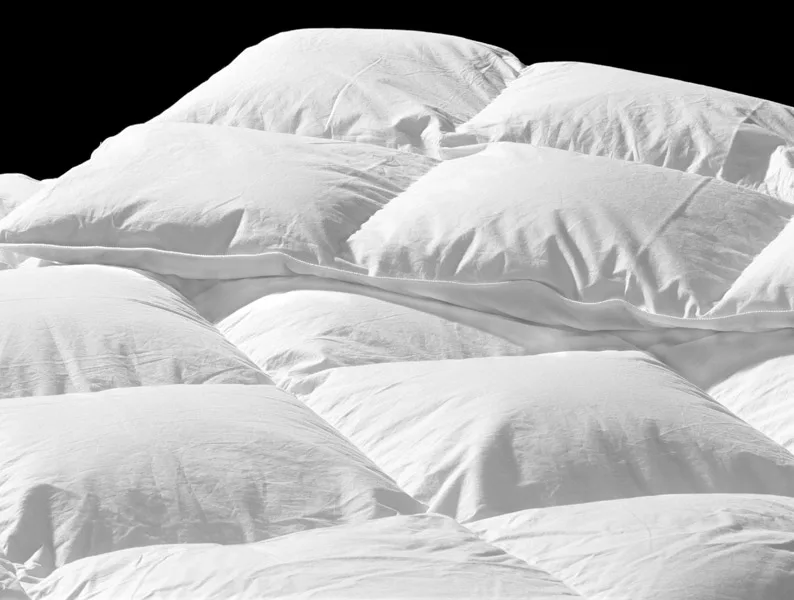
Read the label on each actual item. If it is missing or unclear, identify the exact product and ask the manufacturer for the relevant instructions. Do not borrow a care setting from another white fabric merely because it looks similar. The photographs illustrate components, not a tested washing routine.
John Lewis: duvet and pillow buying guide ?
Save the label while it is readable
Take a clear photograph of the care label and the product identification details, then store them together. Name the record so you can distinguish two similar sheets or pillows later. Include the size and colour if those details help identify the item without opening every cupboard.
Keep the original instructions rather than reducing them to a single remembered temperature. Drying, bleaching, ironing or professional-cleaning restrictions may also matter. This guide does not decode every care symbol or prescribe a programme. Follow the actual label and seek clarification when a symbol or instruction is uncertain.
Match the instructions to your equipment
Check whether the required process fits the equipment and space available to you. A bulky duvet and a thin pillowcase should not be assumed to create the same practical task. Read the appliance instructions as well as the textile label before deciding that an item can be handled at home.
If a service is needed, obtain a current quotation for the exact item. An assumed £20 service cost used twice would be £40; adding an assumed £10 transport allocation gives a £50 planning total. These invented amounts show the structure of a budget, not the price of a particular cleaner or a recommended cleaning frequency.


Keep mattress care out of the laundry assumption
The National Bed Federation directs owners to the mattress manufacturer's care advice. A removable-looking cover is not automatically a washable cover, and a care routine for a sheet should not be transferred to the mattress underneath it. Confirm what the exact product instructions permit before removing or treating any part.
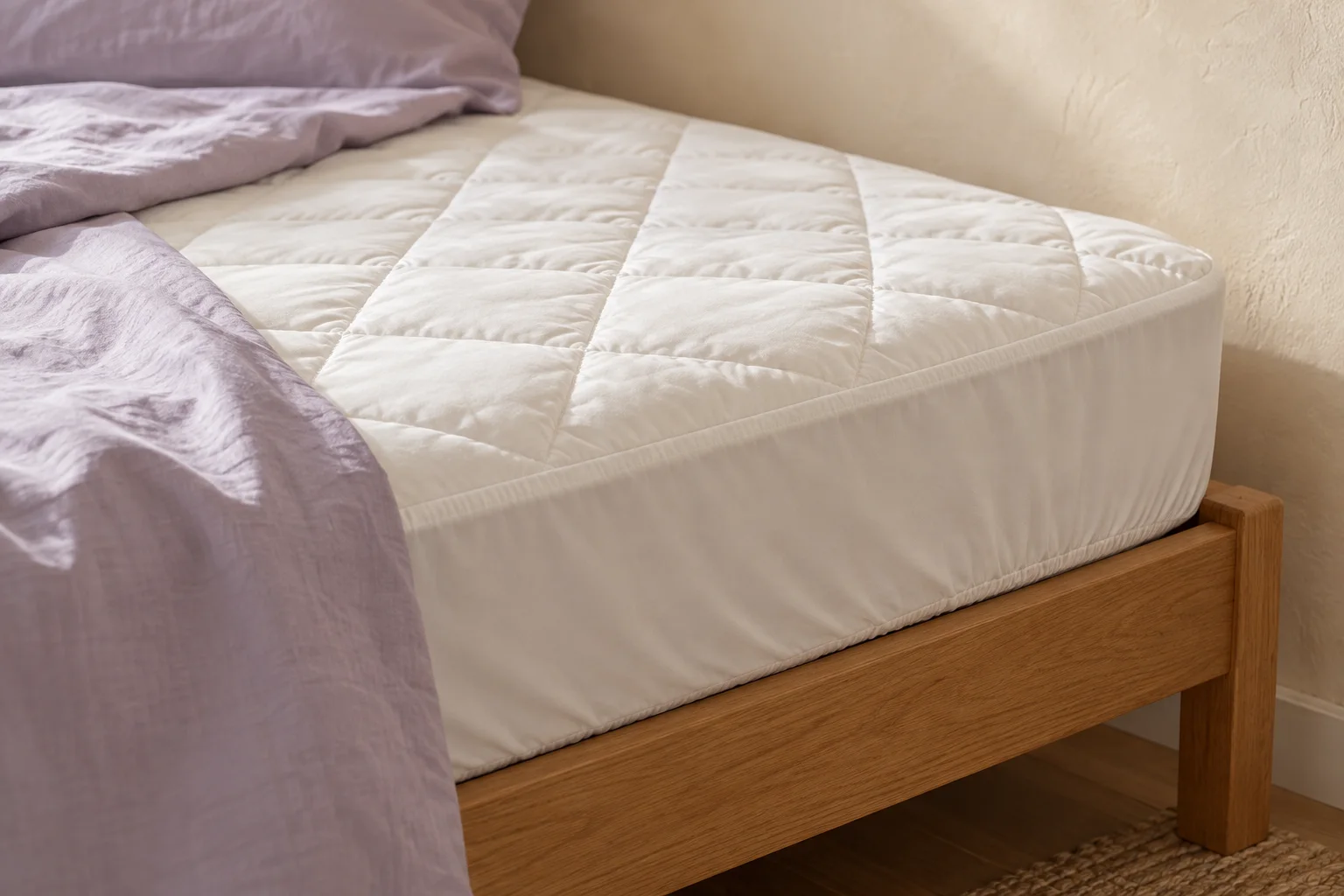
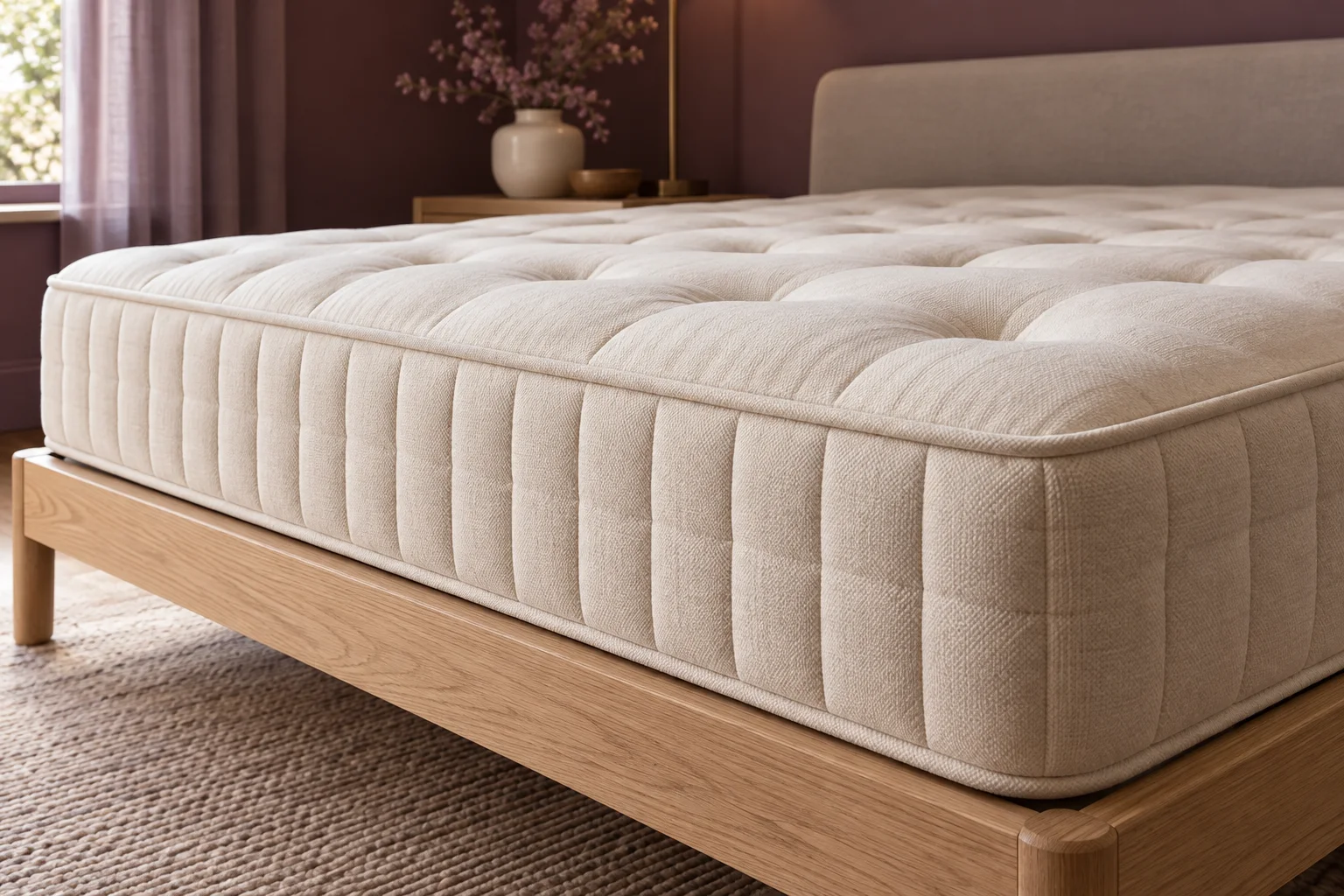
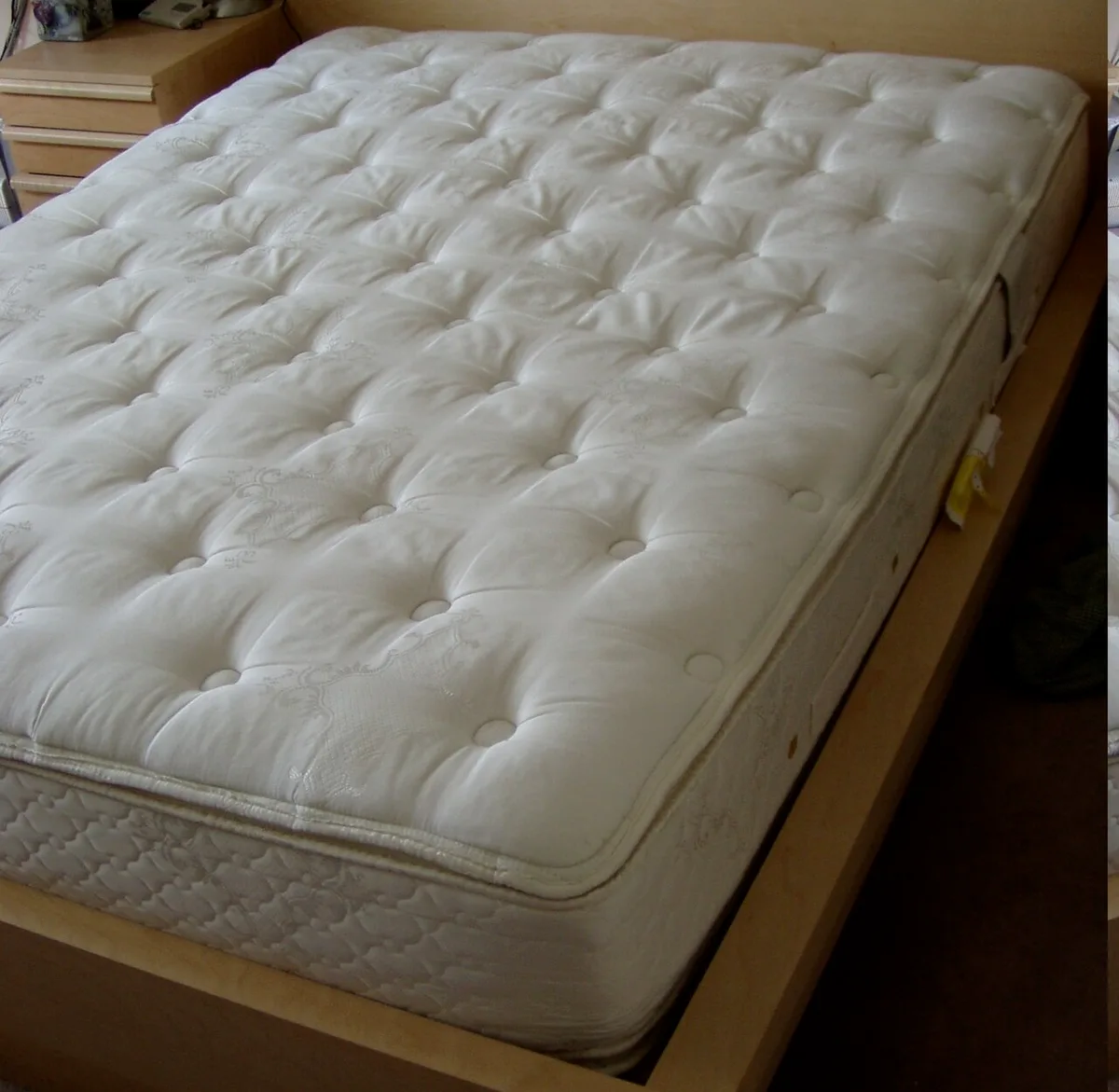
The mattress photograph shows upholstery and seams, but those details do not establish an approved cleaning method. Record any separate cover instructions beside the mattress model. If an incident requires specialist advice, describe the product and situation accurately rather than applying a generic internet remedy.
National Bed Federation: caring for your bed ?
Use a realistic household plan
Allow an illustrative 5 minutes to record each of four different product labels: 20 minutes in total. That is an administrative example, not a cleaning schedule. Add the remaining pieces at your own pace and update the record when an item is replaced.
Group items for care only after checking their individual instructions. Keep any dates factual, without claiming that a particular routine guarantees hygiene, allergy relief or product lifespan. A useful care record reduces guesswork and makes it easier to ask a manufacturer a precise question when the label alone does not settle the issue.