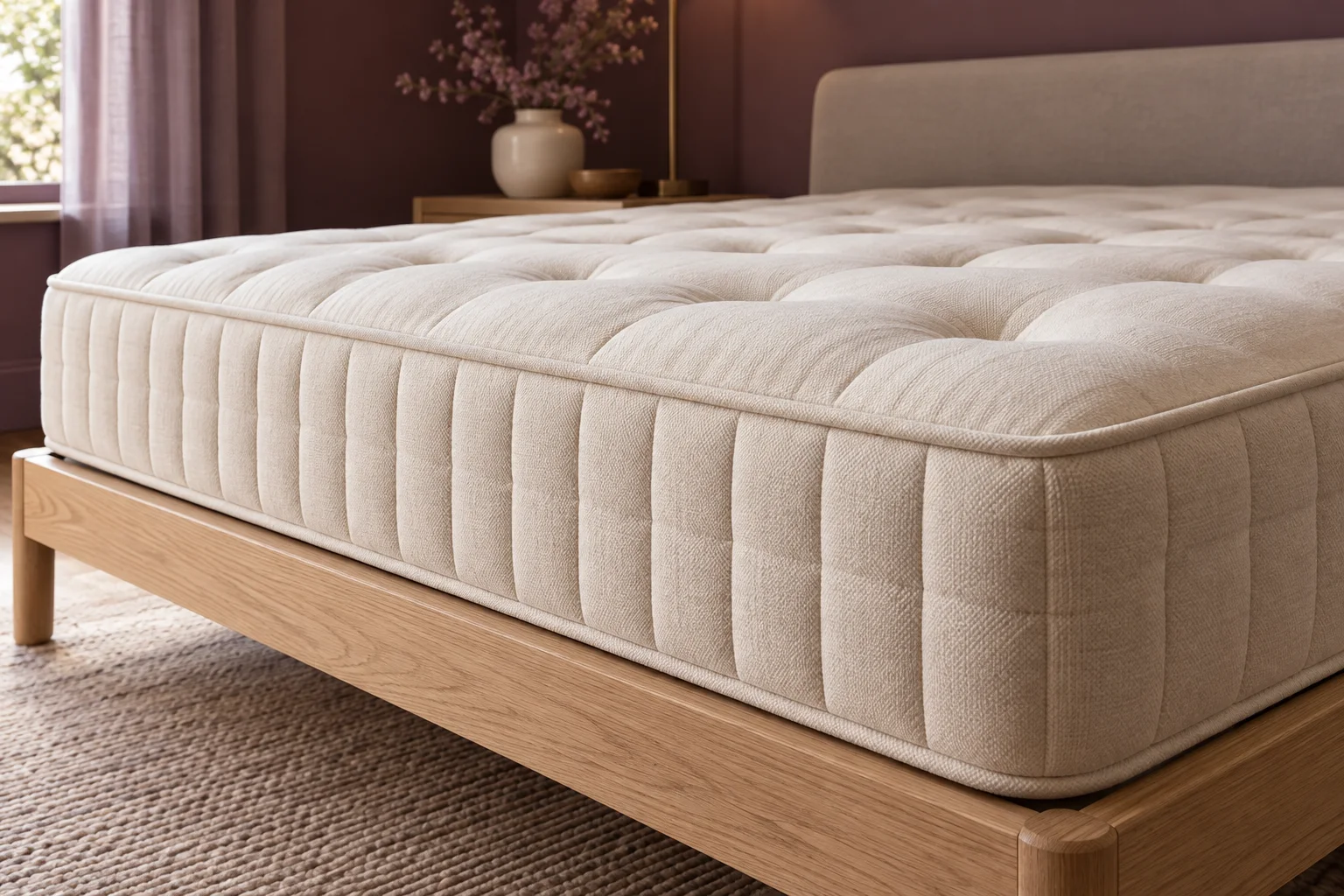
Build a budget for the complete bed
Put the mattress, base, delivery and genuinely necessary bedding on one list before comparing totals.
Updated:

Start with the pieces you can retain
List the current mattress, base and bedding before building a shopping basket. Mark each piece as retained, replaced or awaiting a compatibility check. The National Bed Federation advises checking actual mattress dimensions rather than relying on size names, so include measurements beside the retained items.
A zero in the budget should mean that an existing item is confirmed suitable, not that its compatibility has been forgotten. Keep optional changes such as a new colour scheme separate from essential replacements. This gives you a complete purchase plan without making every coordinated piece in a photograph seem necessary.
National Bed Federation: shopping for a new bed ?
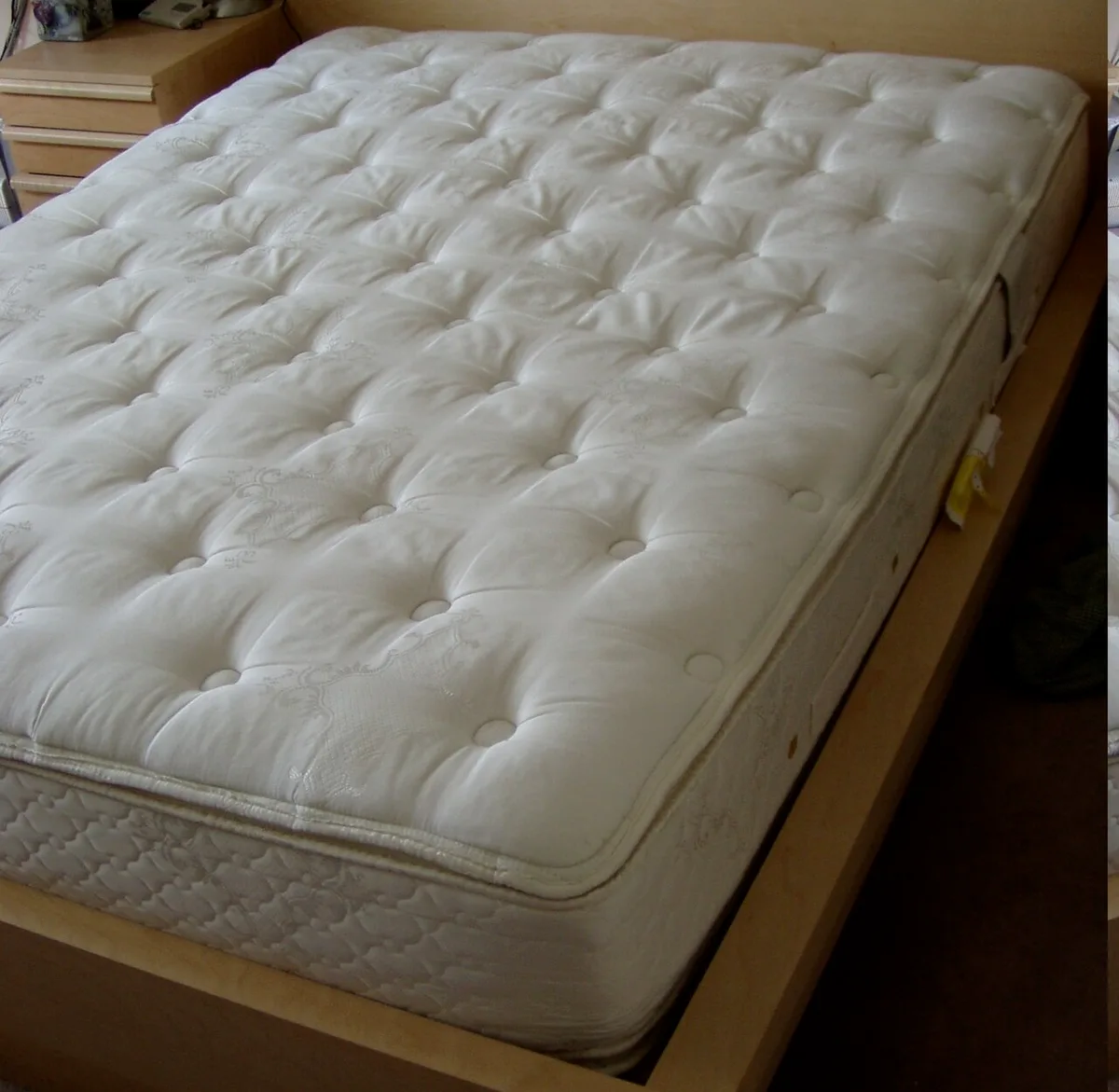
Make the base a separate line
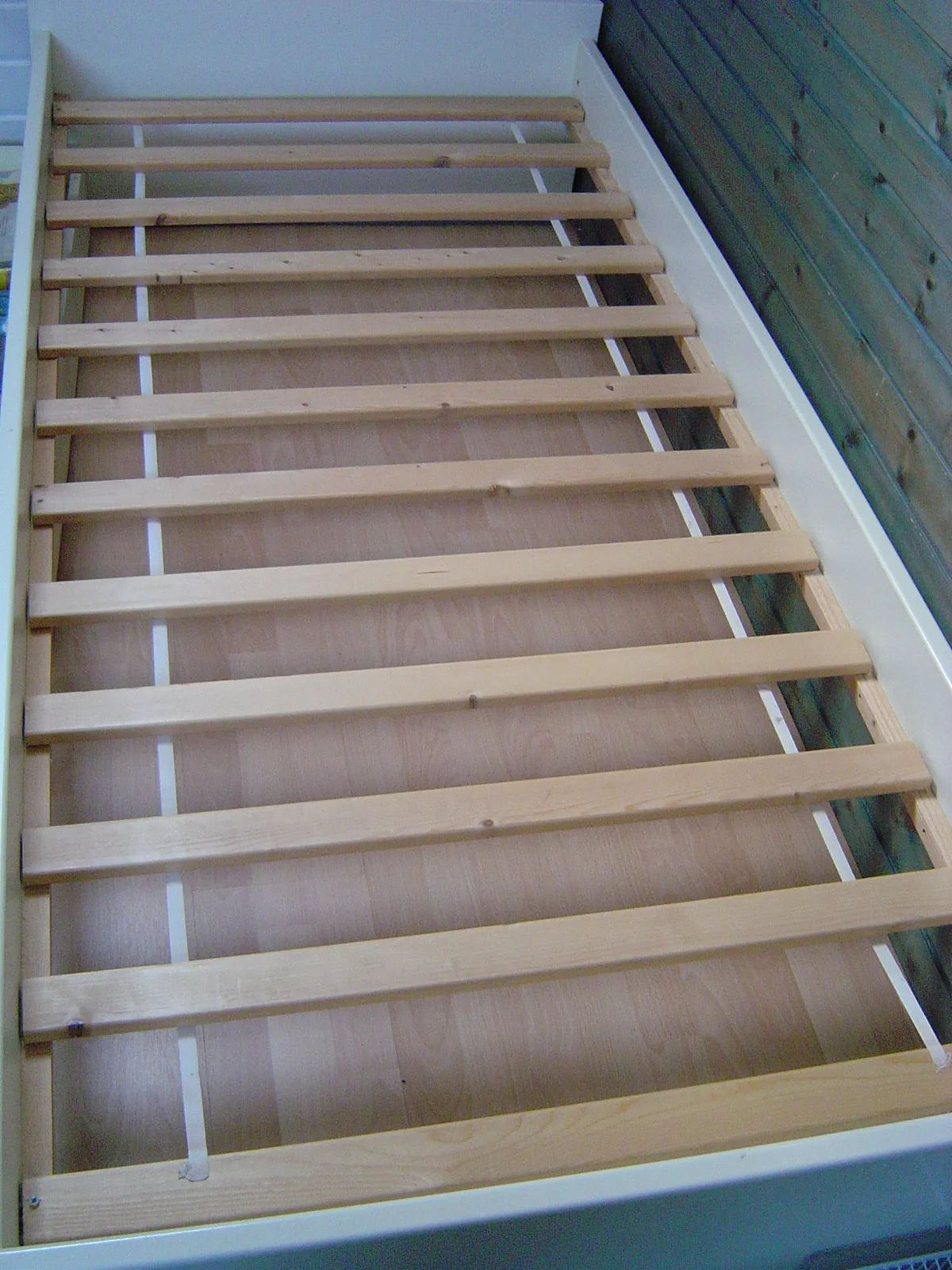
John Lewis distinguishes different bed-frame and base constructions. Check the support requirements for the exact mattress and compare them with the base you intend to use. If a replacement is required, include it in the initial total rather than comparing mattress prices alone.
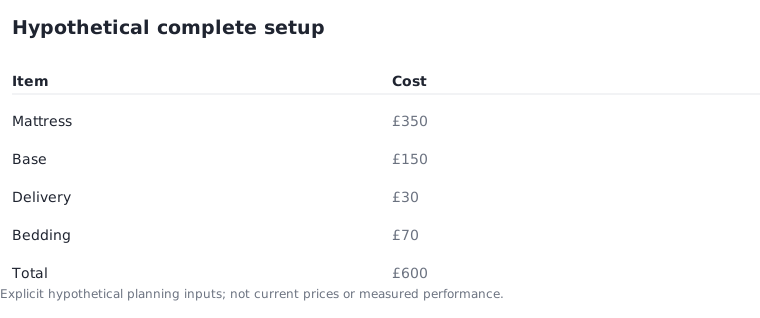
For a hypothetical purchase, assume the mattress costs £350, the compatible base £150 and delivery £30. That subtotal is £530. Adding £70 of required bedding produces £600. These figures are invented arithmetic inputs, not current prices or a recommended spending level. Replace each with an actual quotation before making a purchase decision.
John Lewis: beds and bases guide ?
Break the bedding allowance into pieces
A single bedding allowance is useful for a first estimate, but the final list should name the items. John Lewis treats duvets and pillows as separate choices with their own dimensions and characteristics. Check whether a cover set includes pillowcases and whether the retained duvet still matches it.
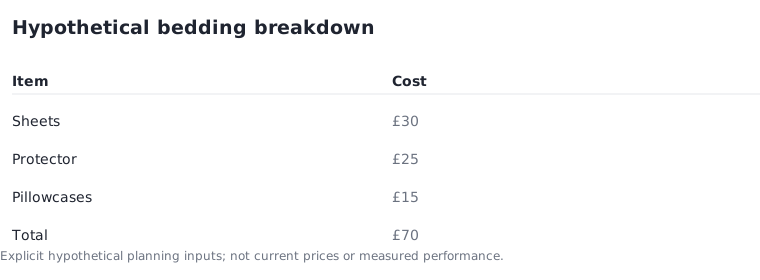
In an alternative hypothetical breakdown, sheets cost £30, a protector £25 and pillowcases £15, totalling £70. A new duvet or cover would be an additional line if required. The real photographs show several distinct components, not a tested bundle or a claim that every household needs to replace all of them together.
John Lewis: duvet and pillow buying guide ?

Compare like-for-like totals
Imagine one complete option costs £600 and another costs £720 with the same required components included. The difference is £120, or 20% of the lower total. This is an arithmetic comparison of assumed figures, not a market ranking or evidence that either option offers better value.
Check what each quotation includes before comparing the totals. Delivery, assembly, removal and required accessories can change the scope. Mark a missing price as unknown instead of entering zero. If an optional service differs, show both the essential total and the total with that service so the decision remains clear.
Keep a final order checklist
Before paying, confirm the exact models, dimensions, quantities, service arrangements and current retailer terms. Save the basket or quotation with the product specifications. The budget should describe a usable compatible setup, while personal comfort and practical room fit remain separate checks.
Use the complete-budget calculator to add your own values, remembering that it simply sums the amounts entered. It does not validate a seller's price, predict future costs or establish product suitability. Review the total whenever a component changes, and keep optional purchases visible so they can be postponed or removed deliberately.