Use firmness labels as a starting point
Turn a broad comfort label into a repeatable comparison of the exact mattress and base combination.
Updated:
Write down the complete description
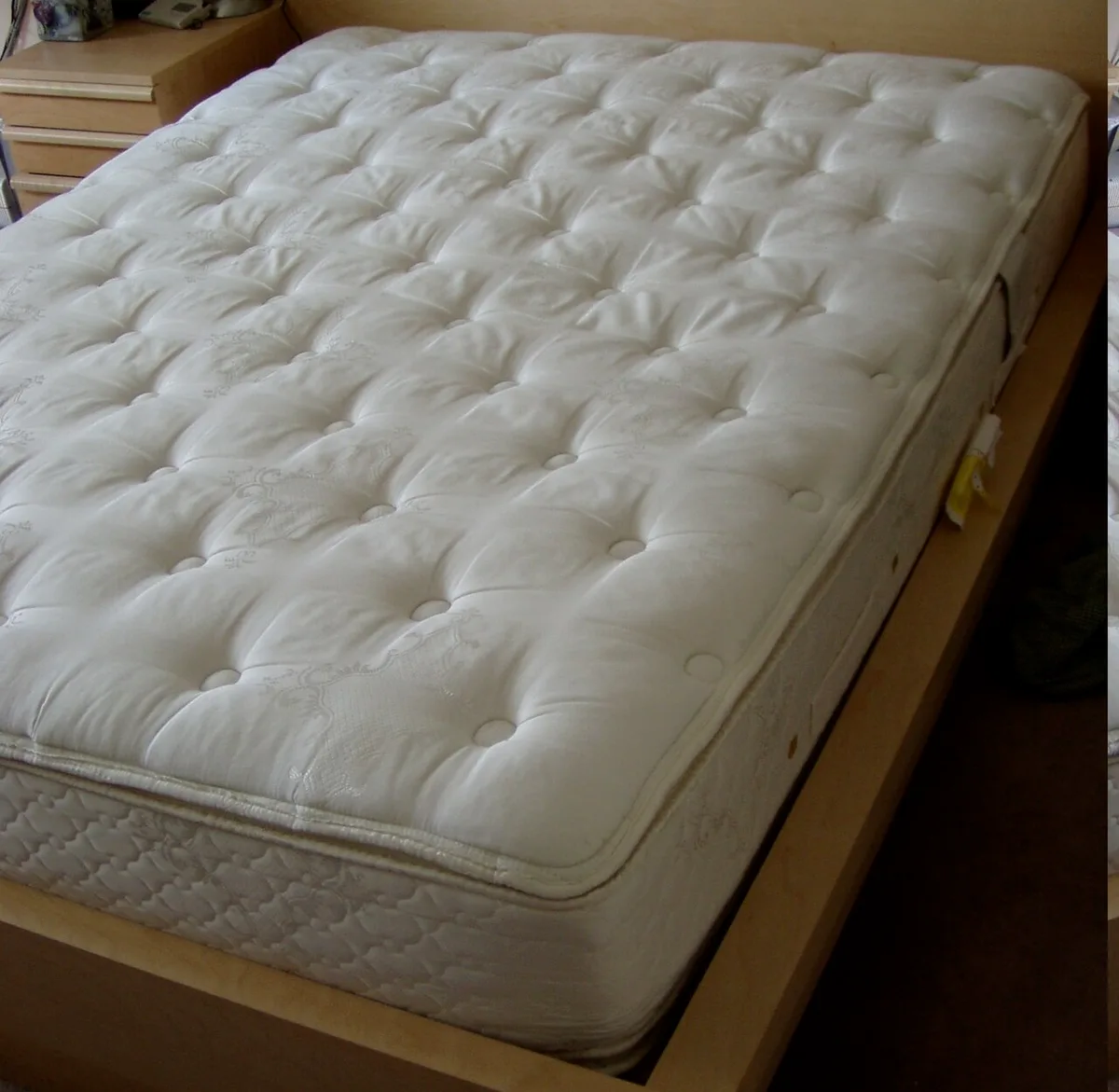
A firmness word is only one part of a mattress listing. Record the exact model, dimensions, construction description and intended base before deciding how to compare it. The National Bed Federation advises using similar base types for mattress comparisons because the base influences the feel of the combination.
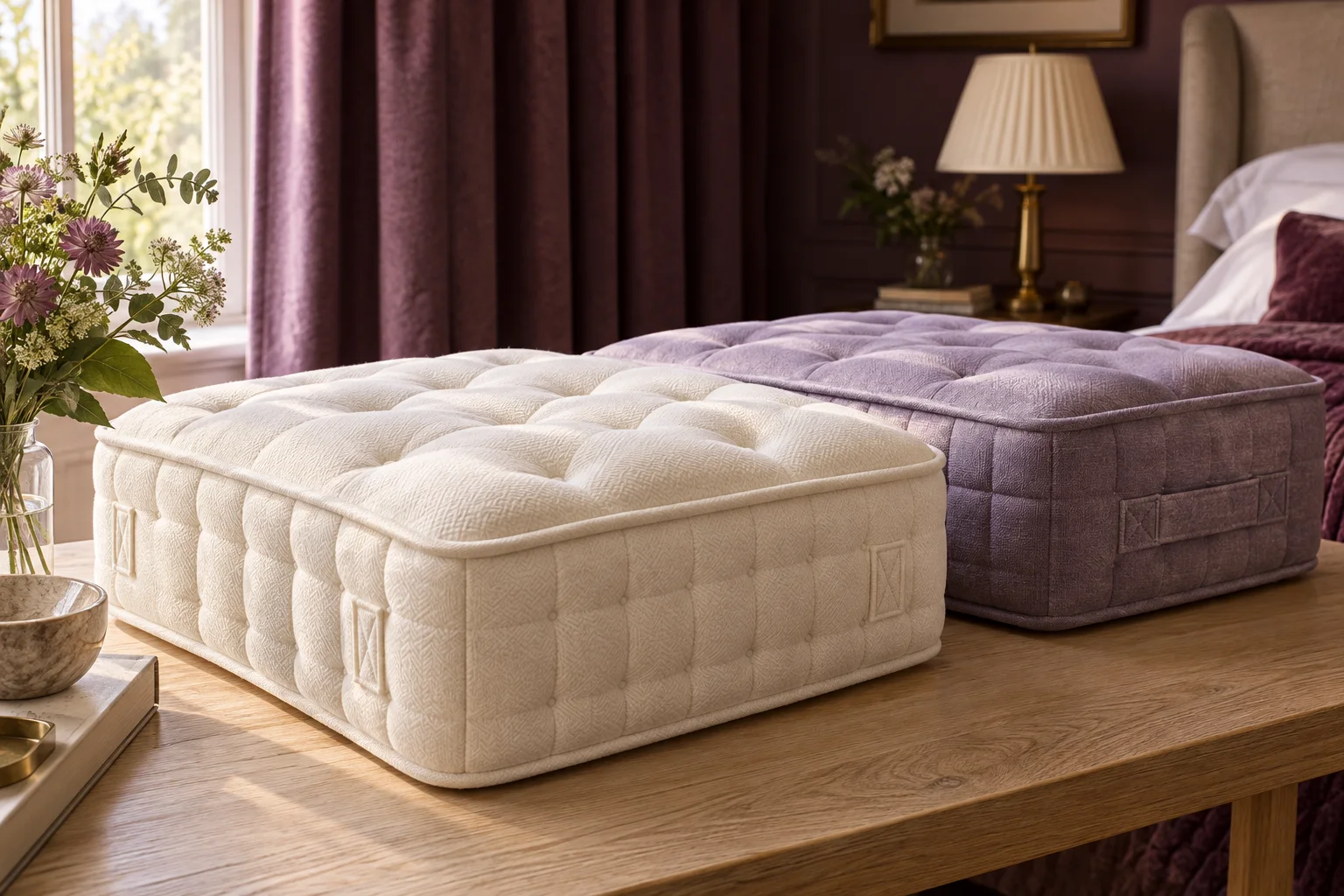
If two retailers use the same descriptive word, do not assume that it proves the products will feel identical to you. Ask how each retailer describes its own range and what configuration is being demonstrated. This guide does not assign firmness levels to products, and it does not recommend a mattress as treatment for a medical condition.
National Bed Federation: shopping for a new bed ?
Separate specification from observation
Create two columns in your notes. Put confirmed details such as product dimensions and the display base in one, and personal impressions in the other. A phrase such as firmer than my current bed is an observation with a particular reference point. It is not a measured property that can be transferred automatically to another person's decision.
Keep the conditions visible when making a second comparison. A different pillow, base or position may change what you notice. The aim is not to eliminate personal preference; it is to describe it accurately enough that you can remember which setup produced it.
Do not let a score override a requirement
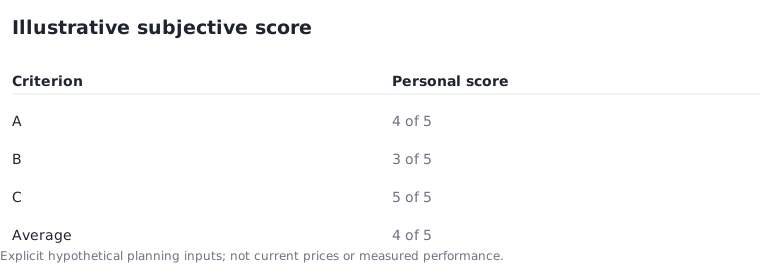
Imagine rating three subjective criteria from one to five and weighting them equally. Scores of four, three and five produce an average of four. Converting that to 80% of the maximum is arithmetic only; it is not an 80% comfort guarantee, product quality rating or evidence of future satisfaction.
Use a score only if it helps organise your own observations. Keep essential dimensions, support compatibility and purchase constraints as separate yes-or-no checks. A model that cannot be used with the intended base is not rescued by a high preference score. Leave unknown answers visibly unresolved rather than assigning them an optimistic number.
Check the base and bedding context
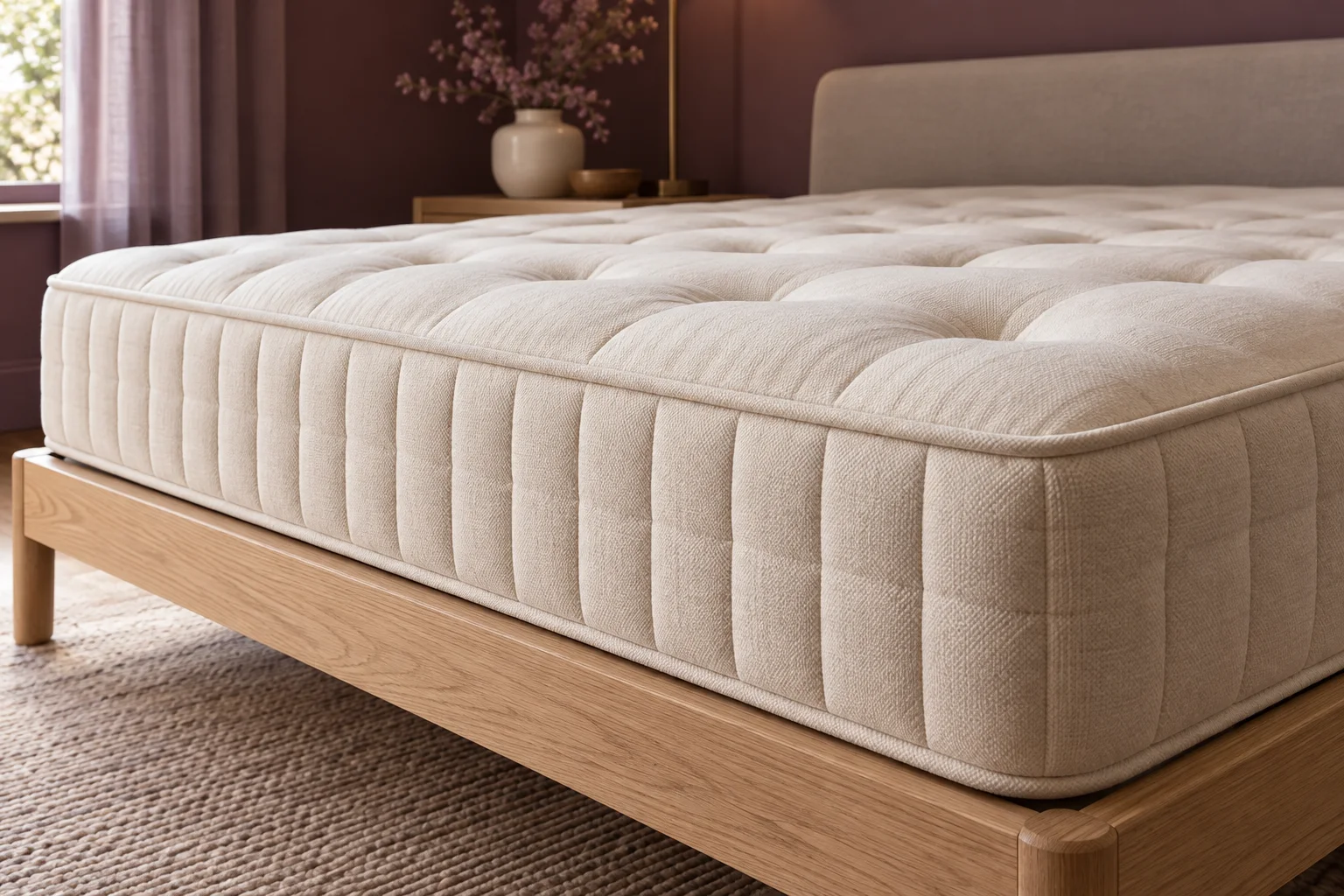
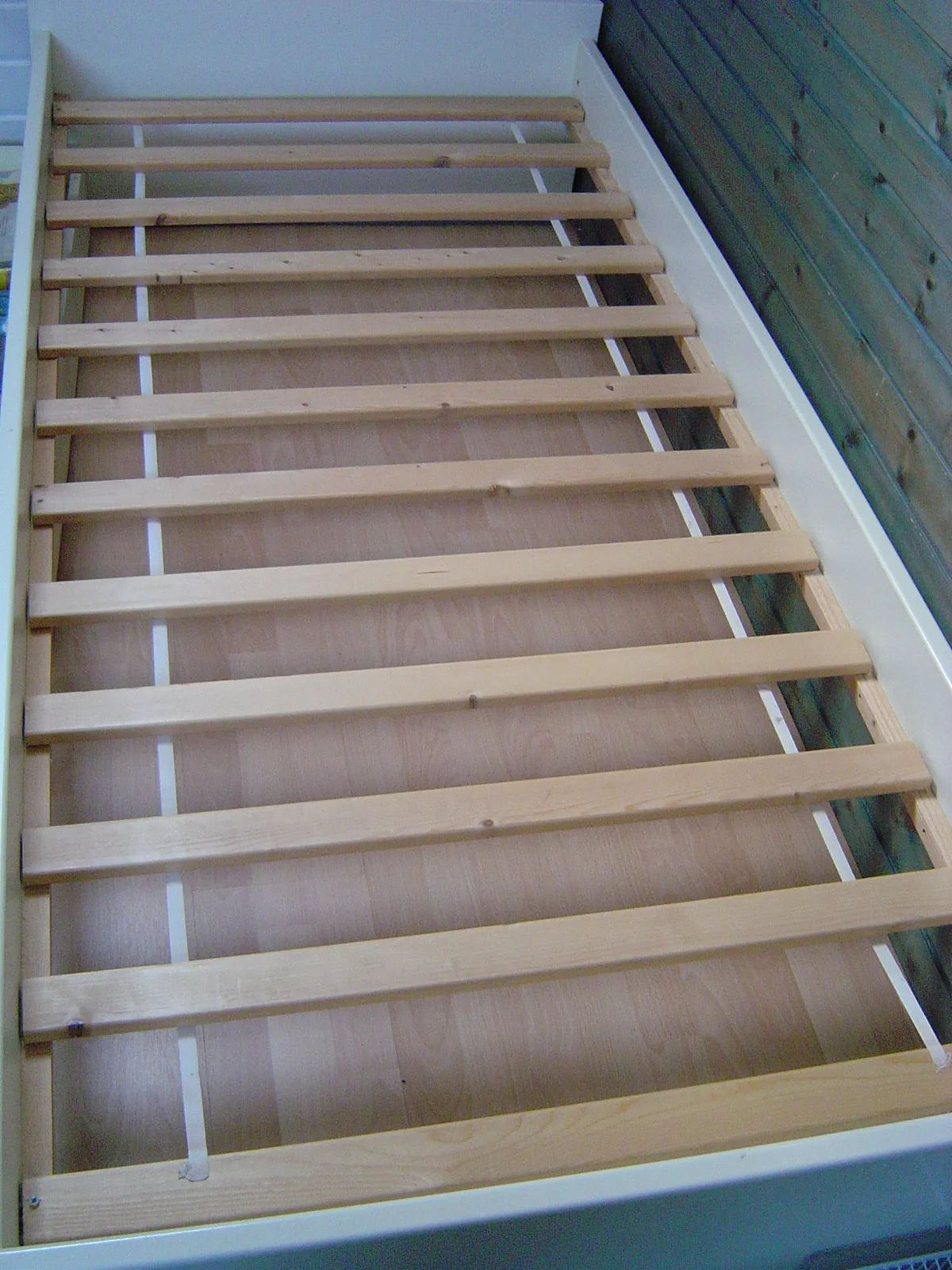
John Lewis describes different frame and base constructions in its beds guide. Use the specific product documentation to establish what support will be present at home. The exposed slats in the photograph illustrate one arrangement, but their appearance cannot certify compatibility with a mattress on your shortlist.
Record the pillow and bedding used during the visit as part of the context. A padded mattress edge or a lofty pillow in a photograph does not establish firmness. Avoid selecting by imagery alone. Images can help explain components, while the actual choice requires the product information and your own comparison of the relevant configuration.
John Lewis: beds and bases guide ?
Keep the purchase decision broader than the label
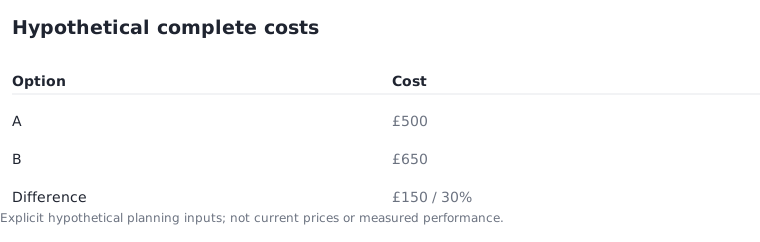
Suppose two otherwise suitable options have assumed complete costs of £500 and £650. The difference is £150, or 30% of the lower total. These invented figures show how to keep cost visible alongside preference; they do not describe current offers or imply that the more expensive option is better.
Include delivery, any necessary base and required bedding in those totals. Save the written product specification and current retailer terms before ordering. The final decision should explain both why the setup meets practical requirements and why you prefer it, without relying on a single word printed beside the price.