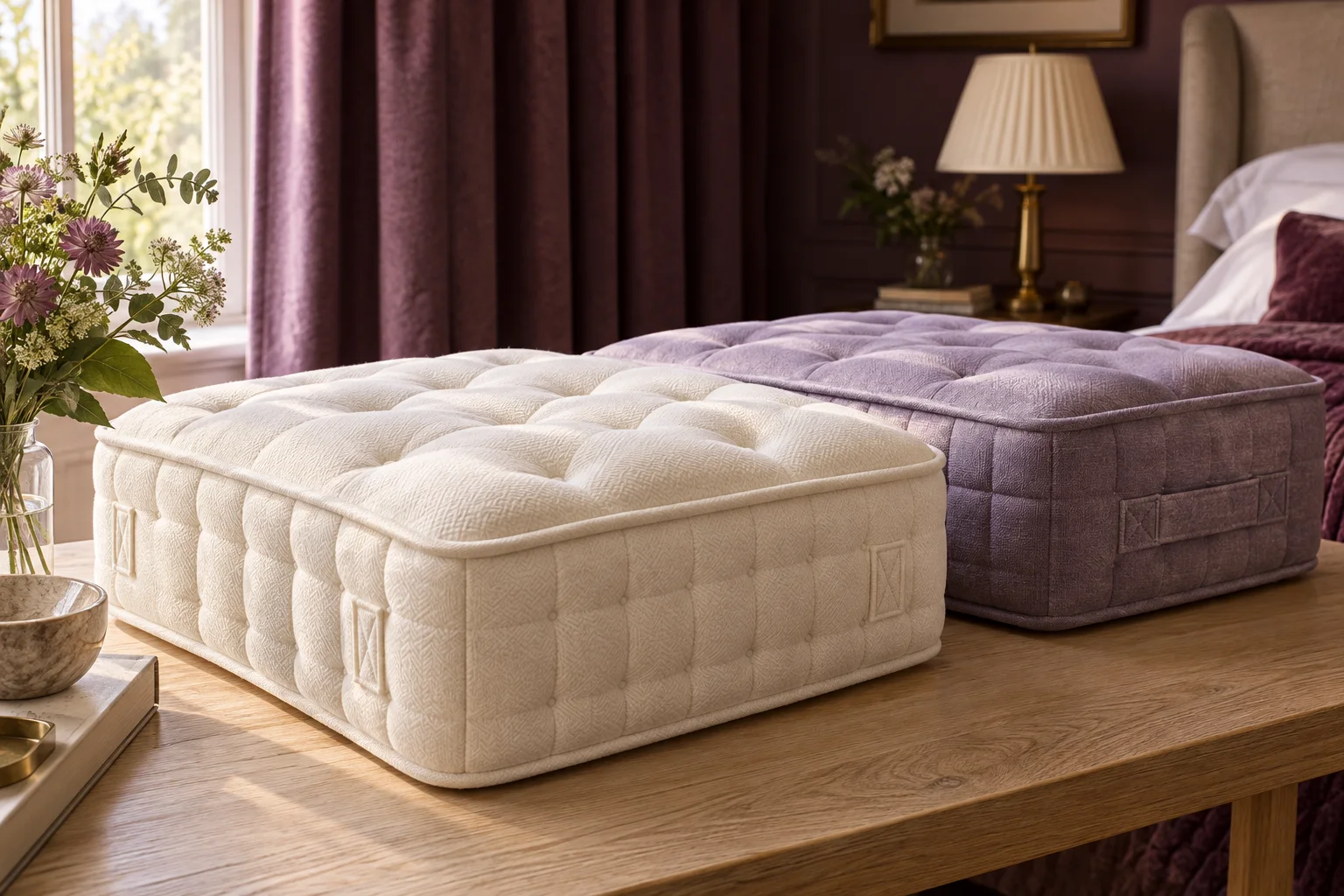
Compare the pillow and mattress together
Keep pillow dimensions and personal observations visible when you change the bed beneath them.
Updated:
Identify what you are keeping
A new mattress does not automatically require a new pillow, but it is useful to record the pillow you intend to retain. John Lewis treats pillows as a separate bedding choice, with their own sizes and characteristics. Read the existing label and note the dimensions before assuming that any replacement pillowcase or display pillow is equivalent.
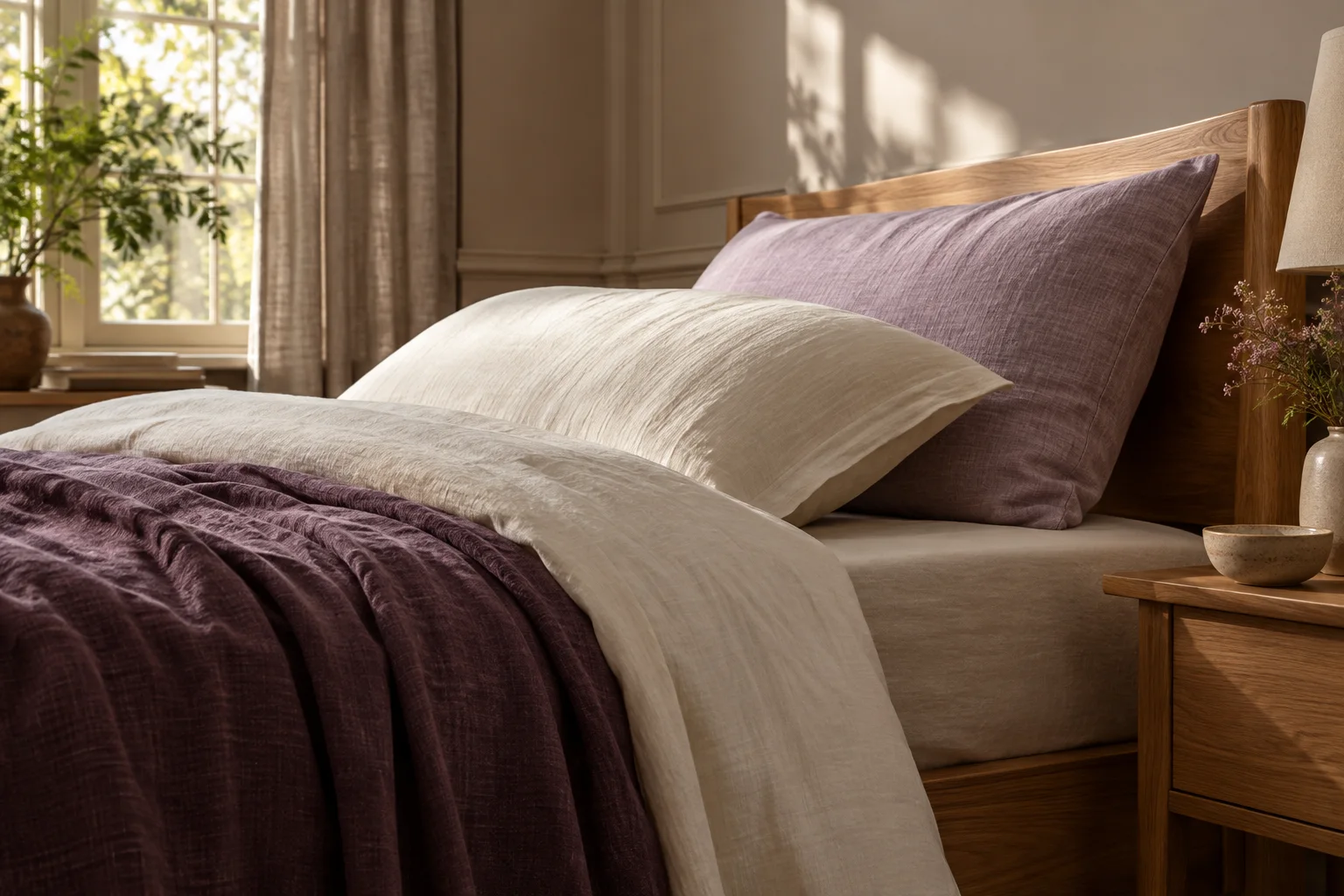
List which parts of the bed are changing and which are staying. This prevents a showroom comparison from quietly becoming a comparison of several unfamiliar components. The photograph of hotel pillows shows multiple pieces arranged together; it does not establish their specifications or recommend that number of pillows for sleeping.
John Lewis: duvet and pillow buying guide ?

Compare one combination before changing another
When assessing a mattress, record the pillow used with it. If you then try another pillow, give that combination a new line in the notes. The National Bed Federation advises comparing mattresses on similar bases; keeping the other components visible follows the same practical goal of understanding what changed.
Describe personal impressions in ordinary language and avoid treating them as measurements. This guide does not prescribe pillow height, sleeping position or a treatment for pain. If your choice is driven by a health condition, a retail comparison sheet is not a substitute for appropriate individual clinical advice.
National Bed Federation: shopping for a new bed ?
Check pillowcases independently
A pillow and case need their own dimensional check. Measure or read the specified width and length of both products, then review the seller's fit description. A matching colour or collection name is not a guarantee that the shape and size are the same.
For an illustrative replacement plan, assume two pillows cost £35 each and two suitable cases cost £12 each. The combined total is £94. If the existing pillows remain suitable and only the cases are needed, the same assumed case purchase is £24. These are planning figures rather than current prices or a claim that replacement is necessary.

Make care part of the decision
Read the care label of the actual pillow and case before buying. The required cleaning and drying arrangements should fit the equipment and space you have available. Do not infer care instructions from a white fabric appearance or from a different product in the same broad category.
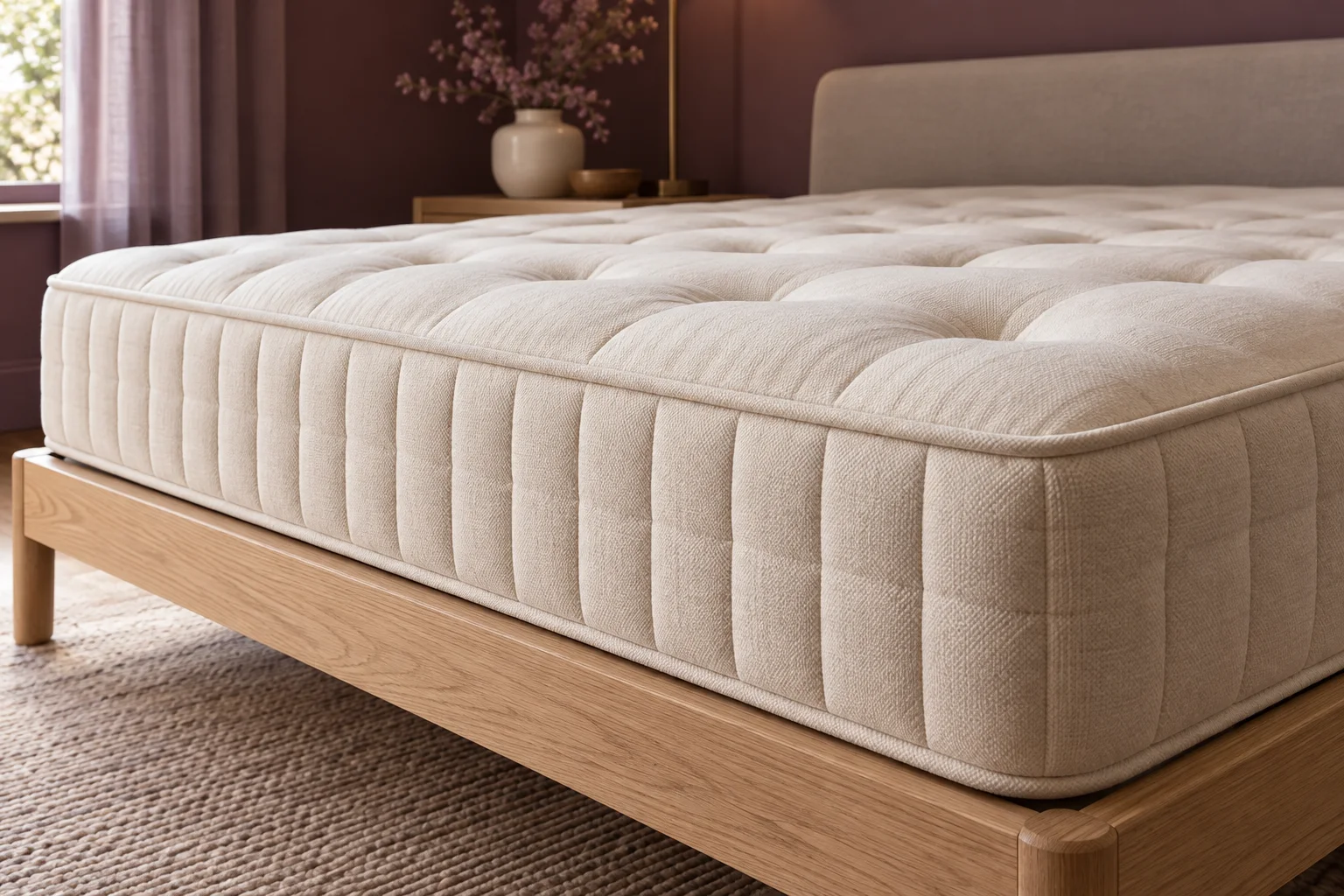
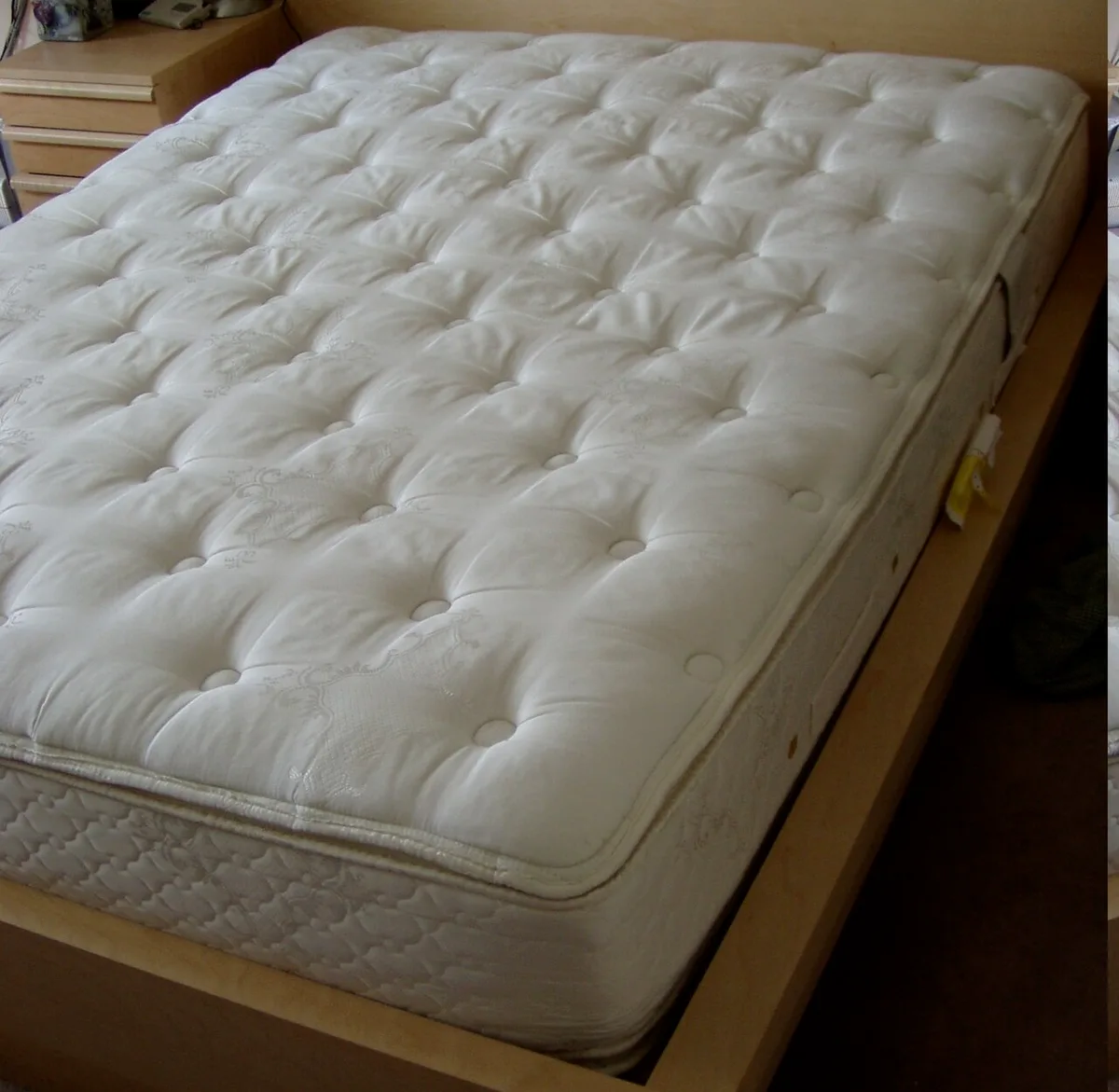
Keep labels or clear photographs of them with the product details. The mattress and duvet photographs illustrate other components that have separate instructions; they do not prove that all items can share a laundry programme. A coordinated bed may contain several materials and constructions, each of which needs its own check.

Record a decision you can revisit
Use an illustrative 15-minute preparation session to collect labels and dimensions, followed by 10 minutes to compare the shortlist specifications: 25 minutes in this assumed plan. It is a way to organise paperwork, not a prescribed duration for testing comfort or a guarantee that the decision will be easy.
Finish by naming the exact combination you prefer and the facts still to confirm. If you later change the mattress or base, revisit the notes rather than assuming the earlier comparison transfers unchanged. A useful record connects your observations to a specific setup and leaves medical claims out of a general shopping decision.