Check the base before replacing the mattress
Match the exact support requirements to the base you own and compare the same setup in the shop.
Updated:
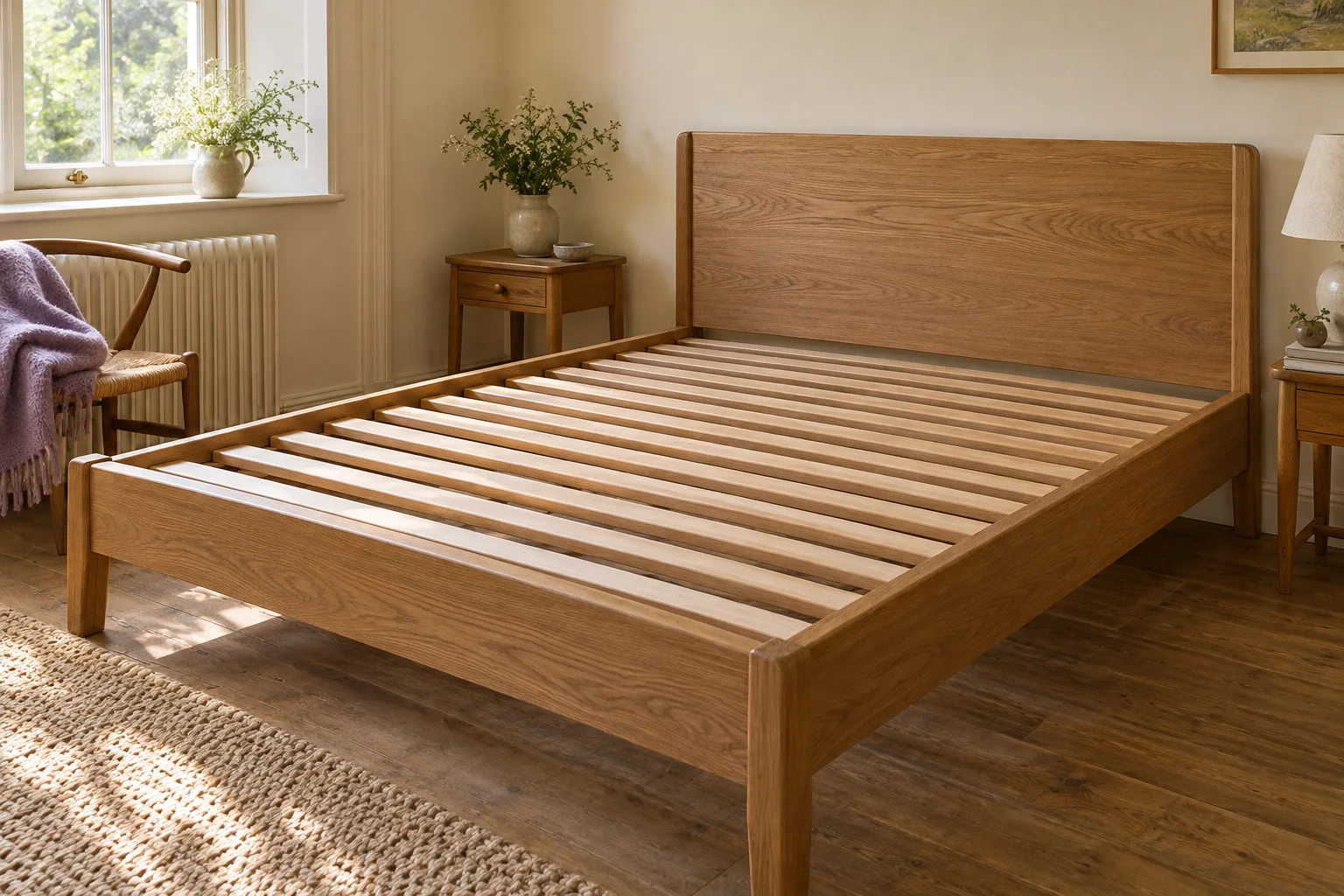
Identify what is underneath
Start with the base you intend to use, not only the mattress you want to buy. John Lewis distinguishes bed frames with different slat arrangements and other base types. Record the make, model and construction of your existing support where that information is available. A photograph can help a retailer identify the arrangement, but it cannot replace the relevant specification.
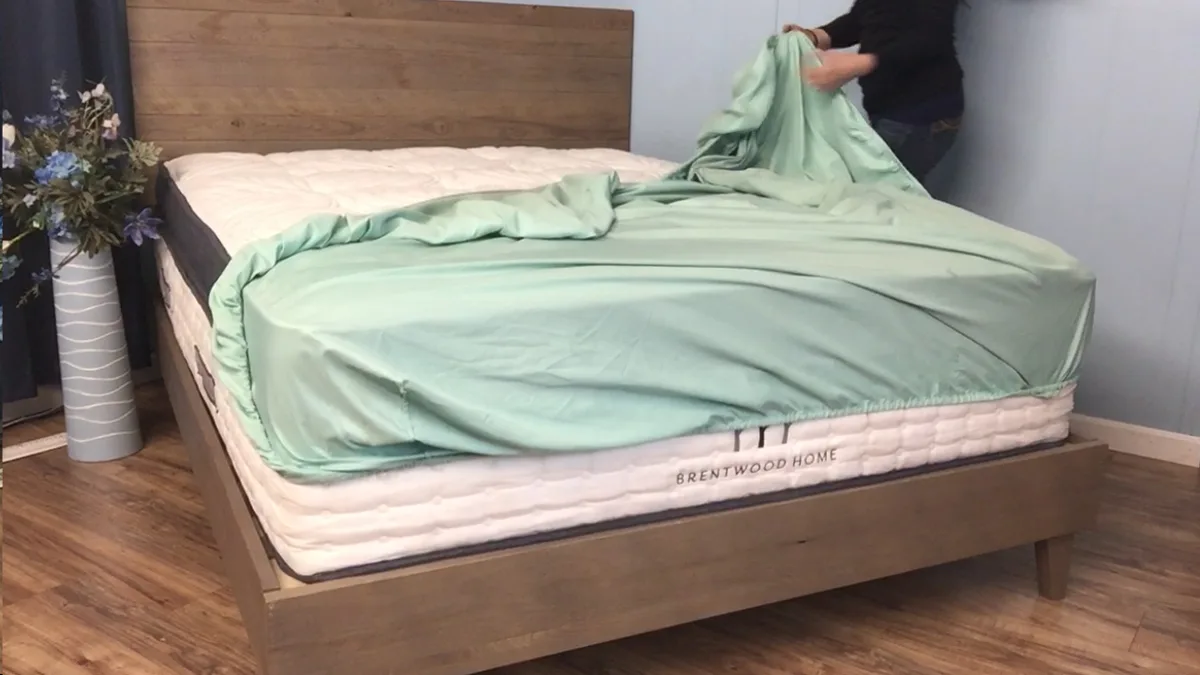
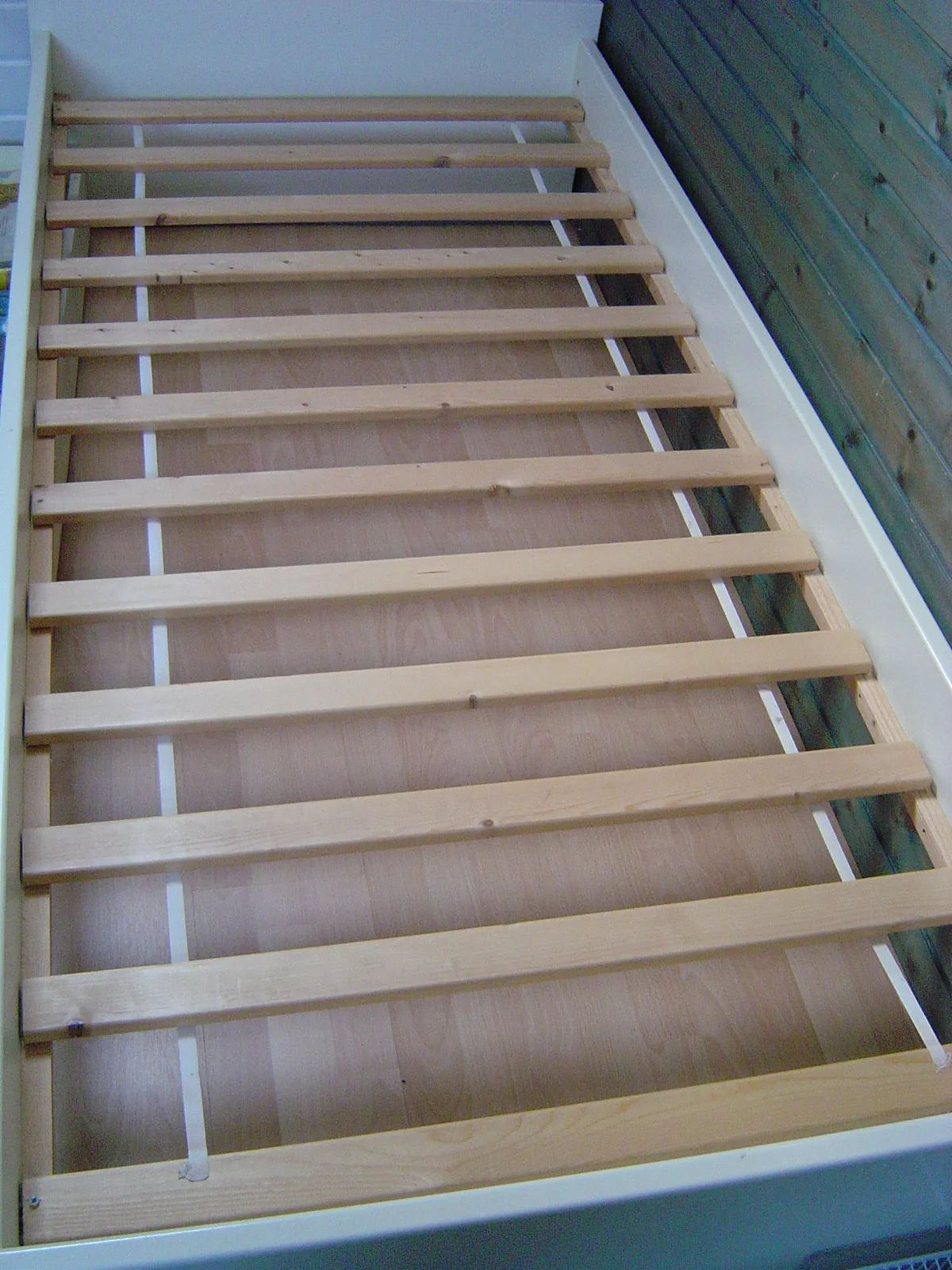
The real slatted-base image makes the support structure visible. It does not show a universally suitable gap or establish compatibility with a particular mattress. Avoid treating a generic photograph as an installation drawing. Your decision needs the requirements for the exact mattress and the dimensions of the actual base.
John Lewis: beds and bases guide ?
Ask a specific compatibility question
Retrieve the mattress maker's support instructions before ordering. Compare the required base type, dimensions and any stated limits with the base you plan to retain. If a requirement is ambiguous, send the retailer the model information and ask for written confirmation rather than relying on a broad description such as standard frame.
Check the condition of an existing base separately. Loose parts, missing components or damaged supports need assessment using the manufacturer's instructions or appropriate professional help. This guide does not certify a base as structurally safe. The goal is to identify unresolved questions early enough to avoid an unsuitable purchase.
Compare like with like in the showroom
The National Bed Federation advises comparing mattresses on similar base types because the base affects the feel of the combination. Record the demonstration base alongside the mattress model in your notes. If you will use a different support at home, ask how the retailer recommends making a relevant comparison.
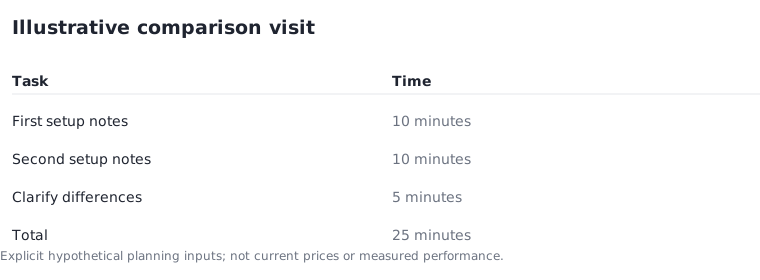
Spend an illustrative 10 minutes recording the first combination and 10 minutes on the second, then allow 5 minutes to clarify the differences: 25 minutes in this assumed visit plan. The timing is not a prescribed comfort test. Use enough time to understand the configuration, and keep subjective observations separate from verified specifications.
National Bed Federation: shopping for a new bed ?
Include a possible replacement in the budget
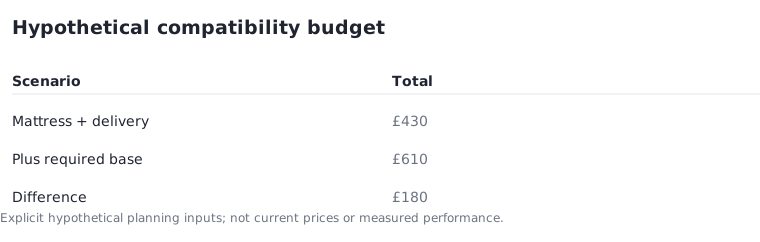
Suppose a mattress costs an assumed £400 and the necessary replacement base costs £180, with £30 delivery. The complete initial total is £610. If the existing base is confirmed suitable, the same hypothetical purchase would be £430. The £180 difference is a compatibility consequence in this example, not a current market comparison.
Do not record the retained base as a free saving until its suitability is established. Conversely, do not buy a new base solely because a display uses one. Write down which requirement would trigger a replacement and what evidence would let you keep the existing item.
Keep the instructions with the order
Save any written compatibility confirmation with the receipt and the supplied care information. The National Bed Federation recommends following the manufacturer's care advice, which may distinguish rotation from turning and include other product-specific handling instructions.
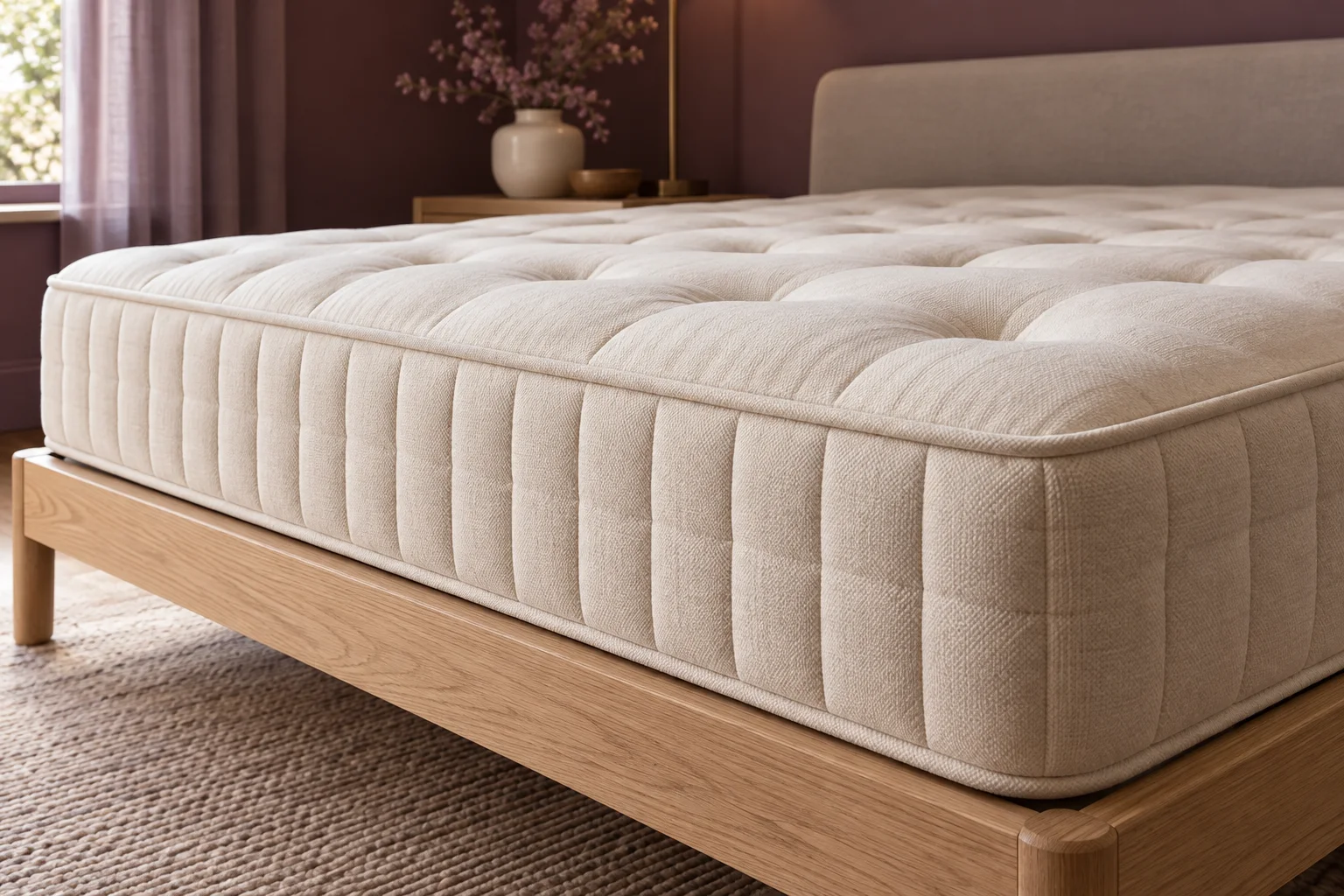
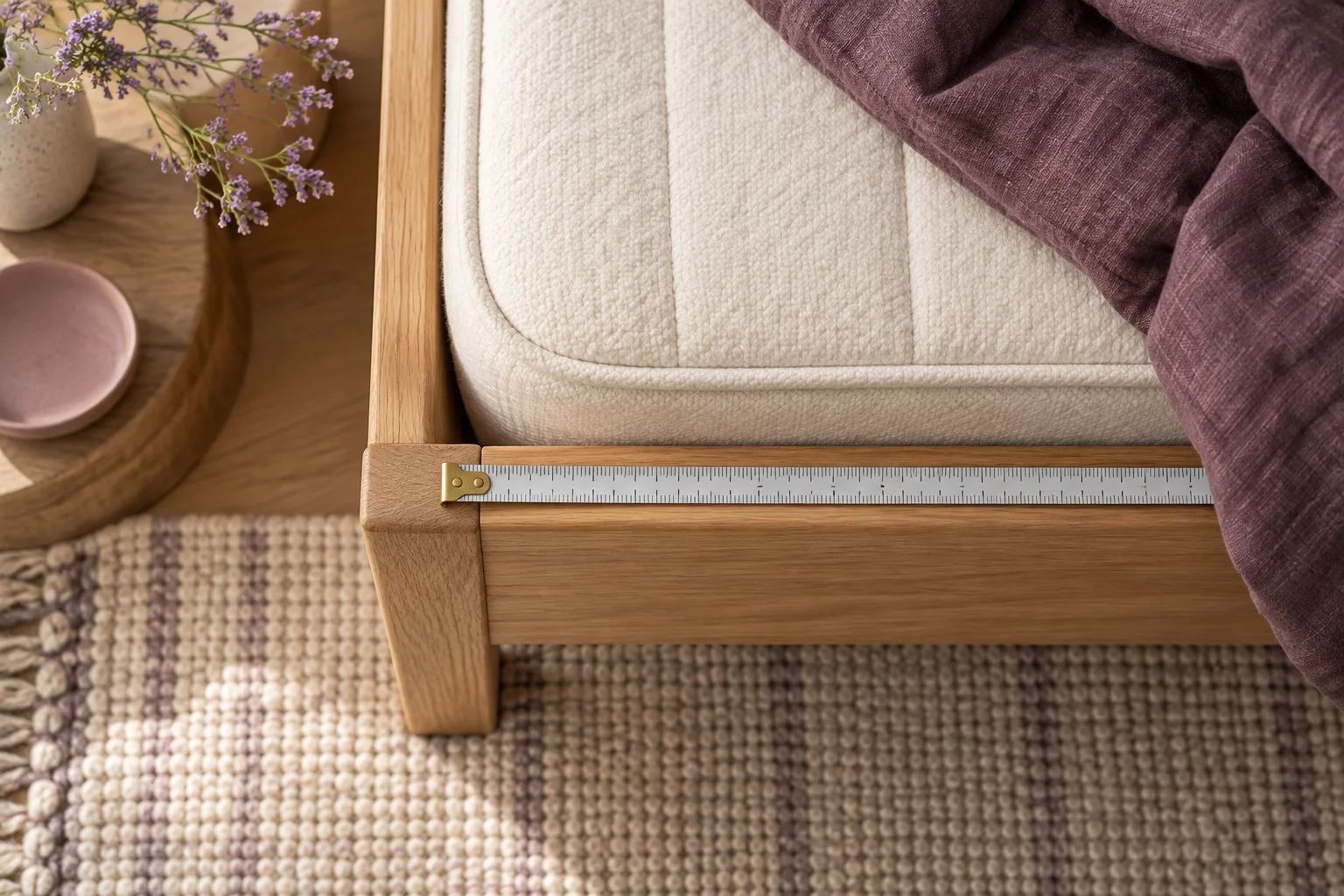
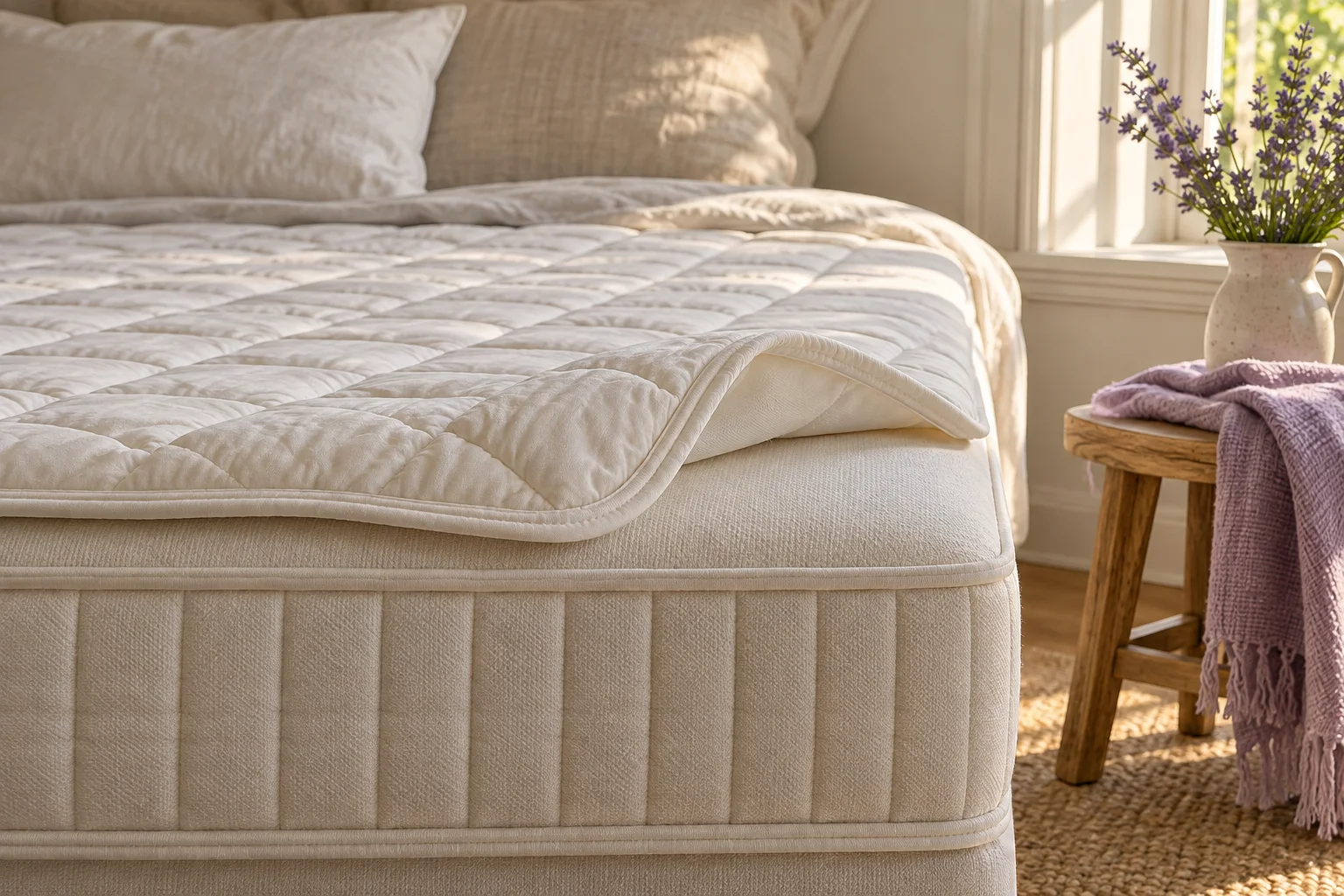
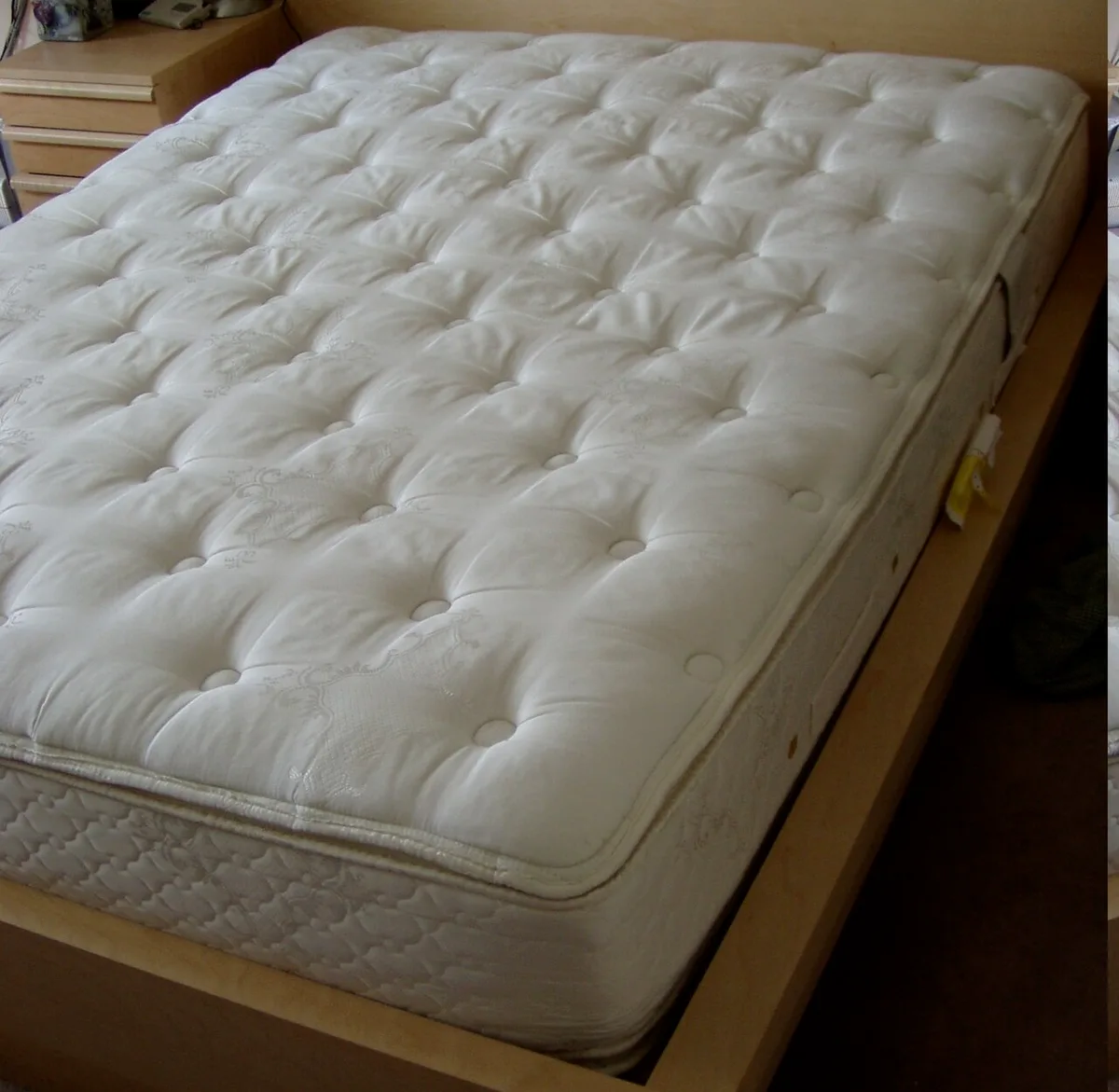
After delivery, compare the model details with the order before assembly or use. The mattress, base and bedding photographs illustrate separate parts of a setup; coordinated appearance does not prove compatible support. Revisit the notes if any component changes. A clear record is more useful than remembering that the shop display looked similar to your bed.
National Bed Federation: caring for your bed ?