Separate duvet warmth, weight and size
Read tog alongside dimensions, filling and care so that one number does not stand in for the whole duvet.
Updated:
Read the tog number in context
John Lewis explains that tog relates to a duvet's warmth rather than its weight. That distinction matters when a listing presents one large number beside a photograph. Record tog in its own column, and keep dimensions, filling and care instructions in separate columns so that each question receives its own answer.
A higher tog indicates a warmer duvet within that description, but it does not tell you how a particular room or person will feel. This article does not prescribe a seasonal tog or make a medical recommendation. Use the product information and your own preferences rather than treating one number as a complete buying decision.
Do not infer weight from appearance
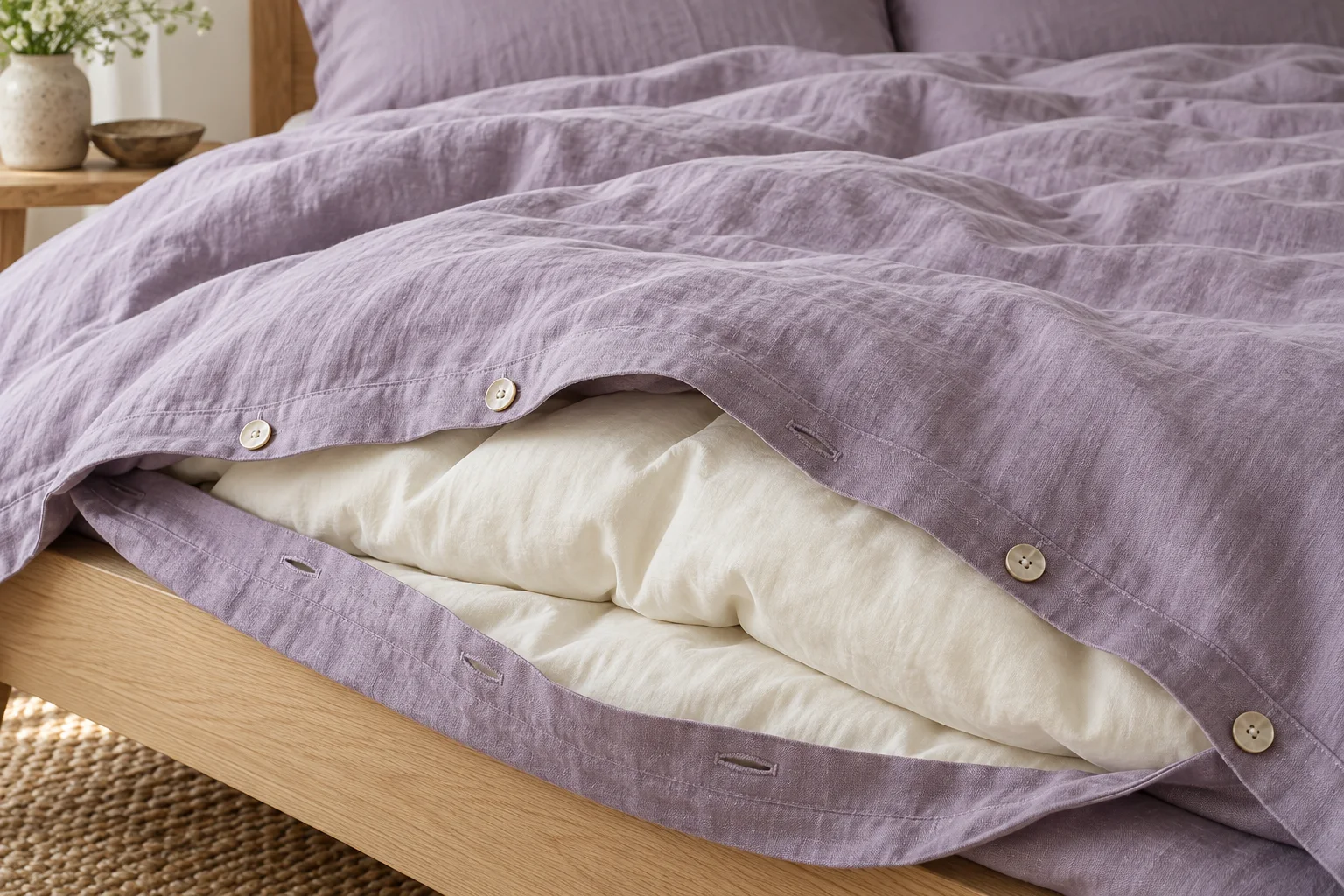
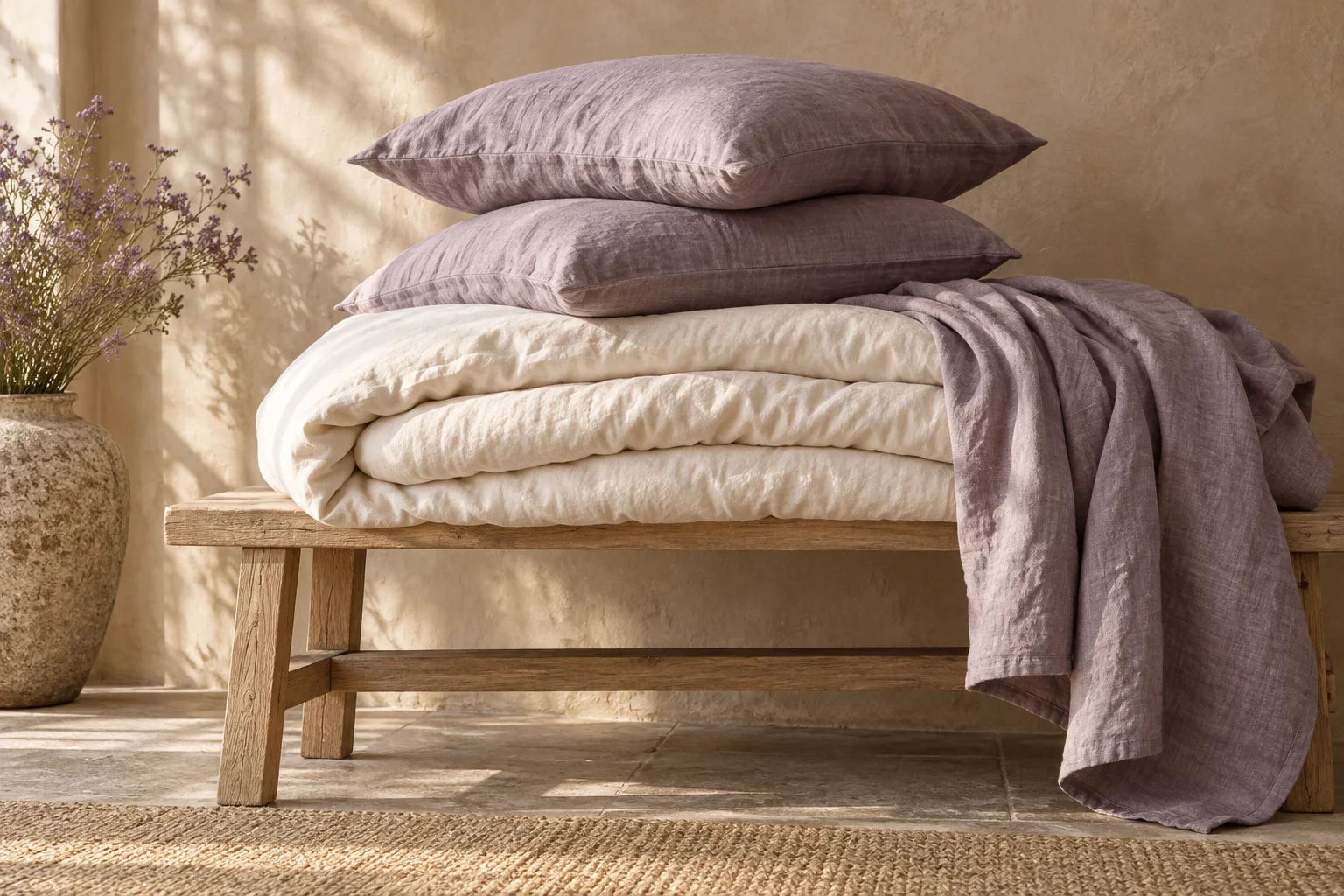
A photograph can show folds, stitching and colour, but it cannot establish how heavy a duvet will feel. The licensed close-up of a white duvet is included to show its construction visually, not to identify a weight, filling or warmth rating. Those facts must come from the exact product specification.
If weight matters to you, look for a stated product weight and clarify what it includes. A packaged shipping weight may describe more than the duvet itself. When the information is missing, leave it marked unknown rather than estimating it from the thickness shown in a promotional image.

Check dimensions before choosing a cover
Read the duvet width and length and compare them with the cover you plan to use. Keep both labels in the same note. Do not assume that a mattress size name automatically proves that the duvet and cover fit one another, especially when buying across different ranges or replacing only one piece.
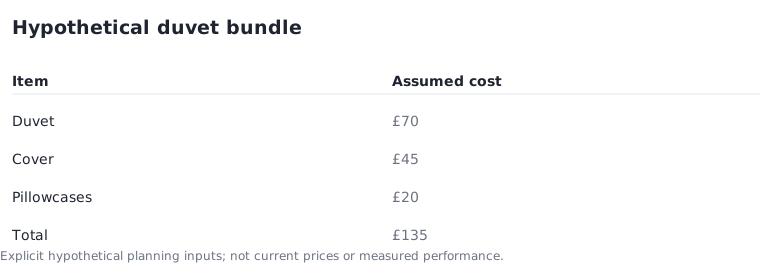
For a hypothetical bundle, assume the duvet costs £70, a compatible cover costs £45 and pillowcases cost £20. The total is £135. If the cover and cases can be retained, the assumed purchase is £70 instead. These figures explain budget structure and are not current prices or a recommendation for a particular bundle.
Consider storage and care together
A spare duvet needs somewhere to live when it is not on the bed. Measure the actual folded item or the storage bag you intend to use, then compare that with the available cupboard space. Avoid buying a second item on the assumption that it will compress into any shelf.
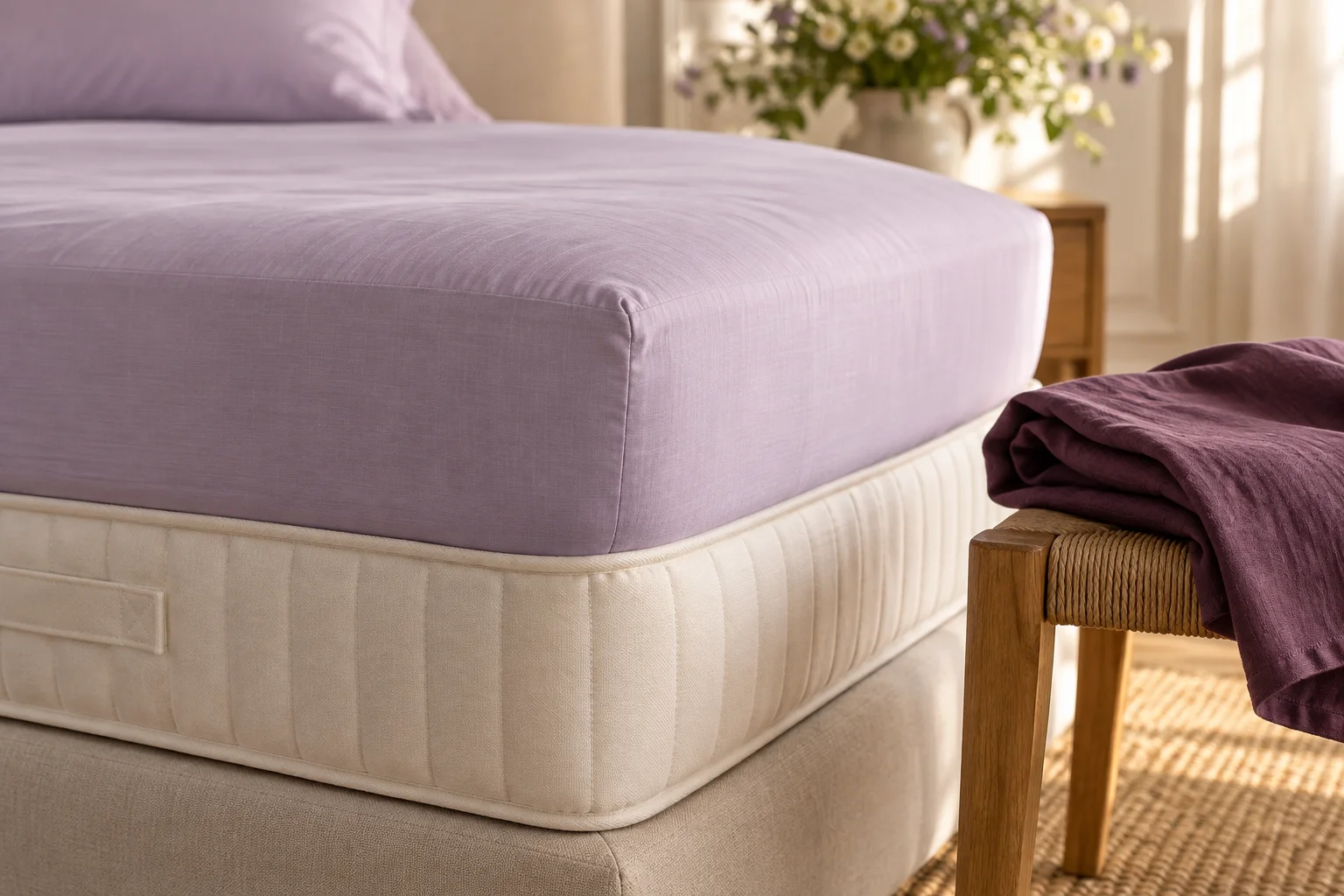
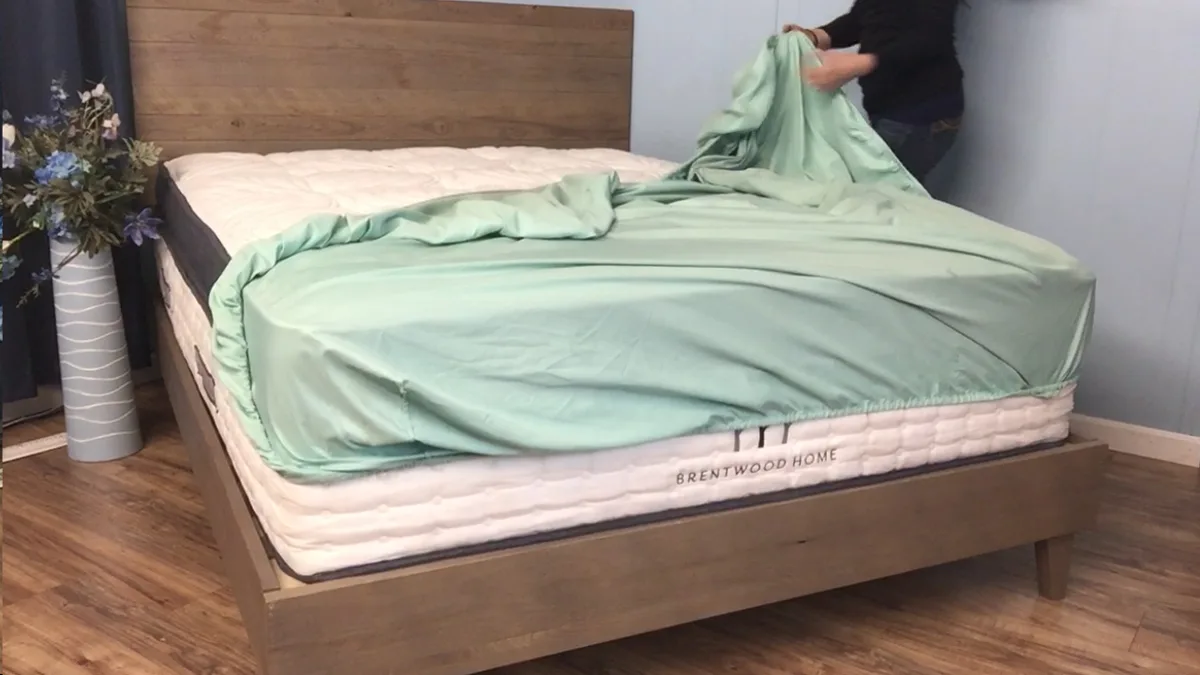
Read the product care label before deciding how it will be cleaned. Check the stated washing and drying requirements against your equipment, or obtain a real service quotation if needed. The pillow and sheet photographs show other bedding components, but they do not establish that the duvet can follow the same care routine.

Compare the whole ownership plan
Imagine allowing £135 for the initial bundle and an assumed £20 for a separate storage solution. The combined starting allocation becomes £155. The storage addition is about 15% of the bundle cost, calculated from the invented figures. It is not a forecast of the costs every household will face.
Keep optional extras separate from necessary items and replace every assumption with a verified quote before ordering. Save the dimensions, tog description and care information with the receipt. The result is a clear account of what you are buying, how it fits your existing bedding and where it will go when not in use.